Room to Grow
It wasn’t about making an old farmhouse look brand new. It was about thoughtfully adding to what was already there—preserving the pieces worth keeping, recreating details where necessary, and making the new work feel like a natural part of the home.
Room to Grow: Addition & Remodel
This project was much more than a remodel. It was a complete transformation of an older farmhouse, with one goal guiding the project from beginning to end: give the homeowners the space and functionality they needed without losing the character that made the original home special.
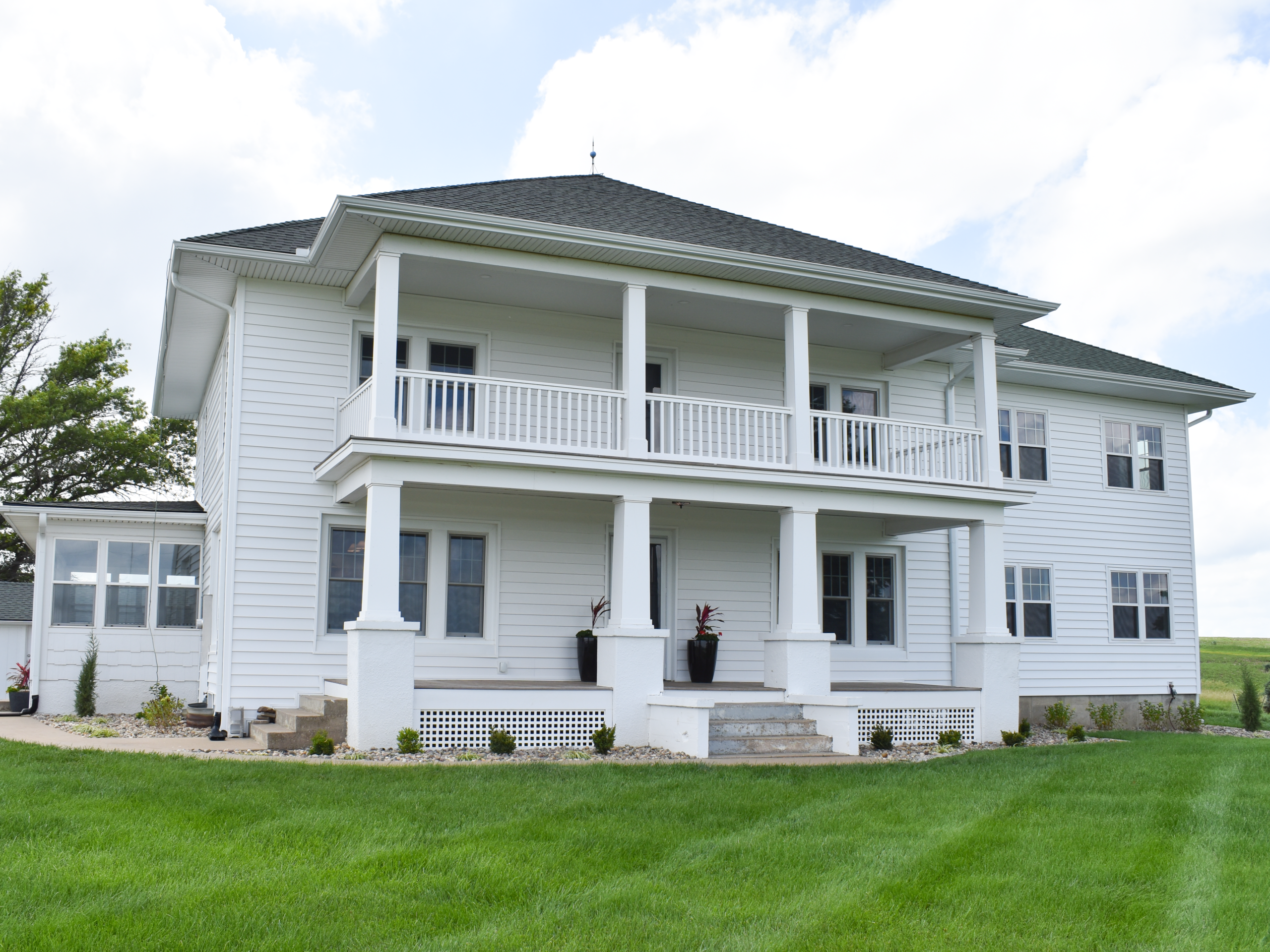
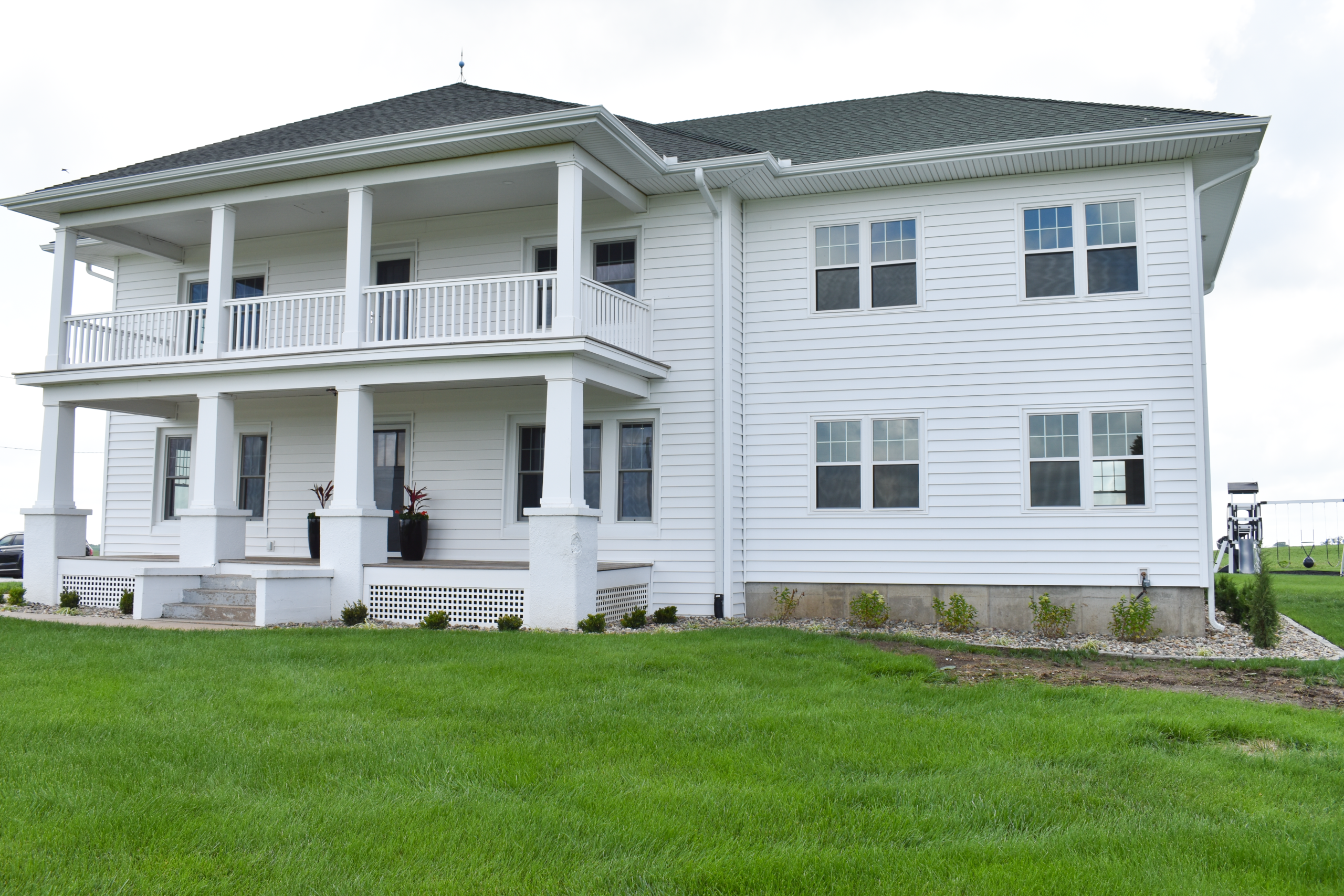
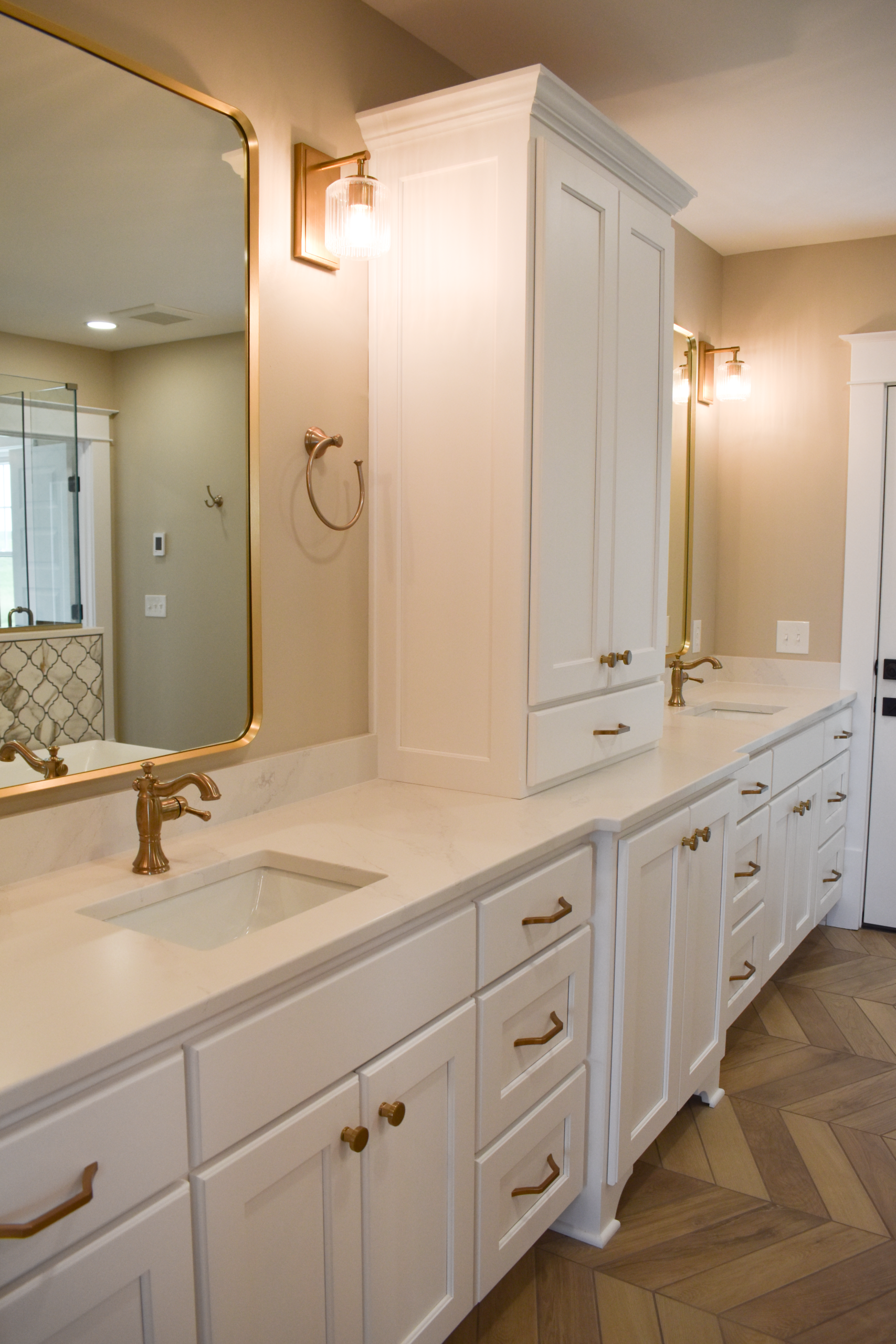
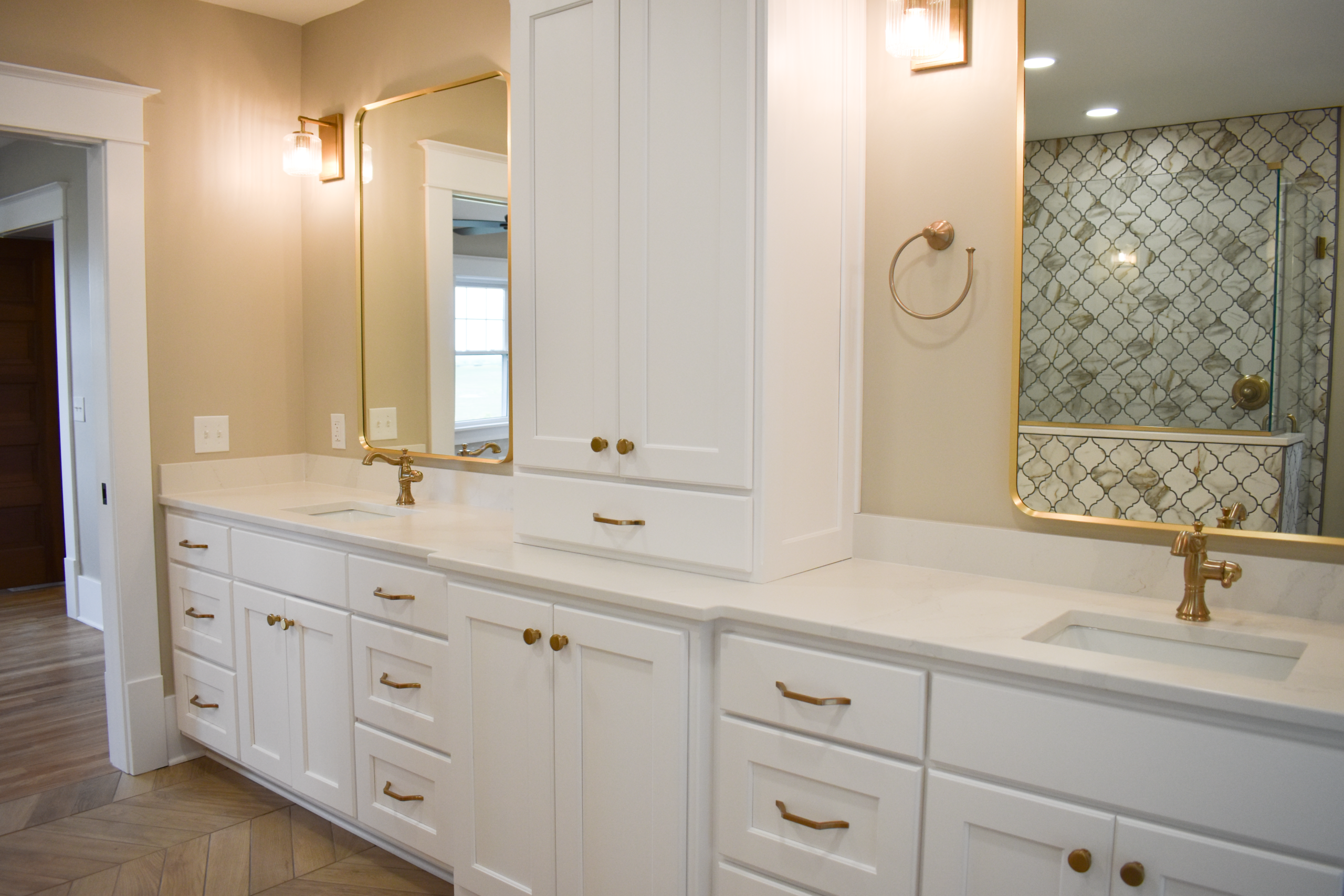
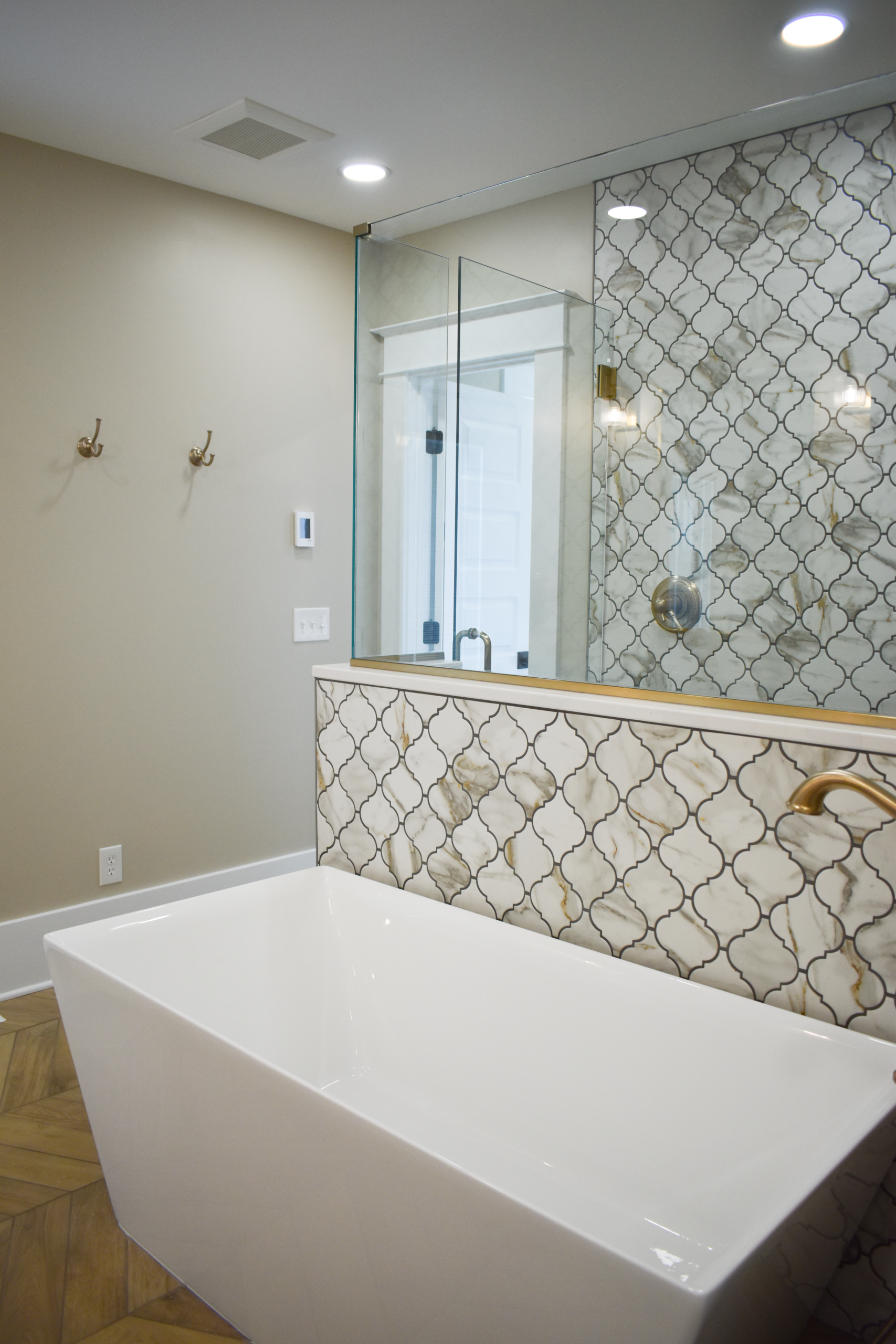
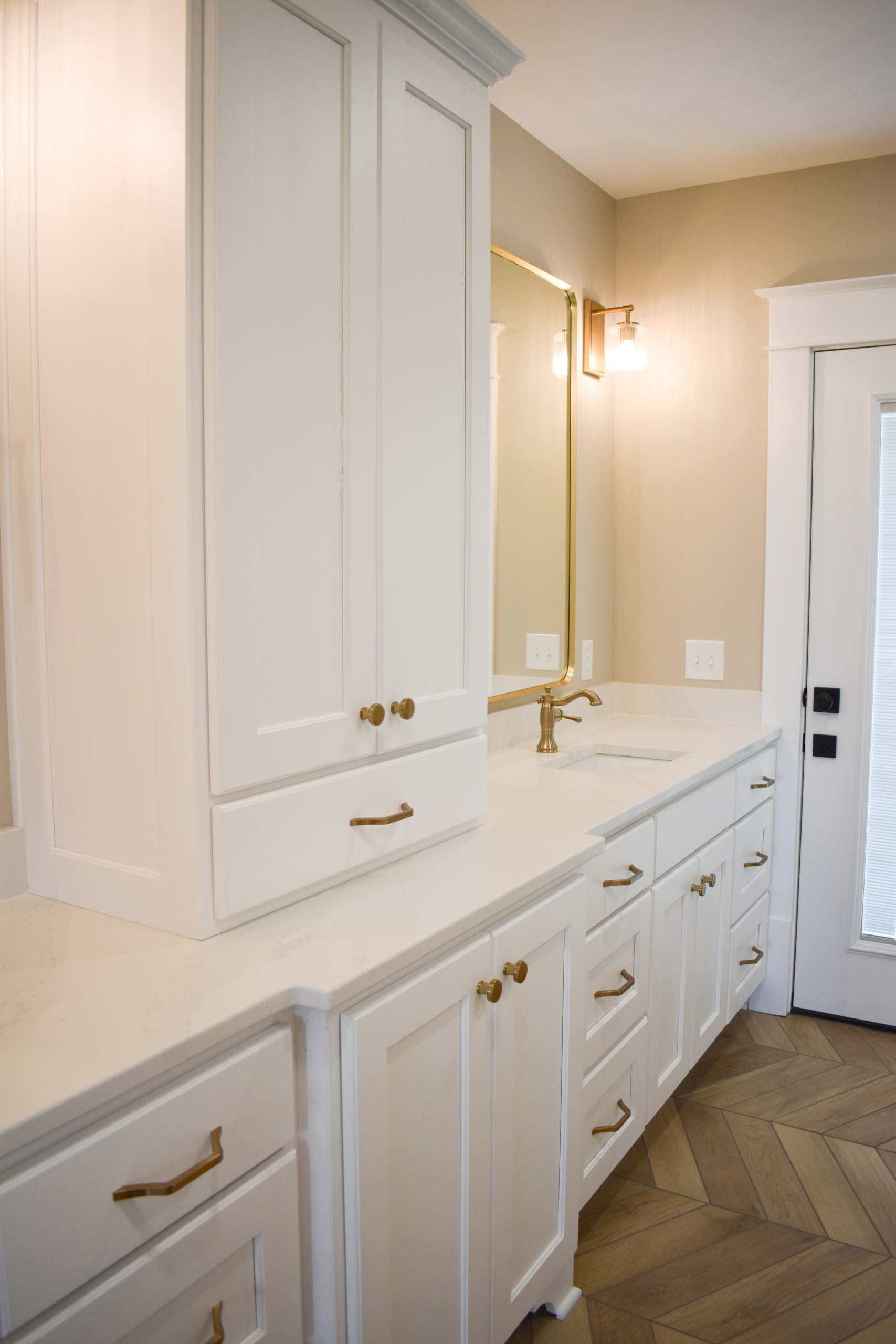
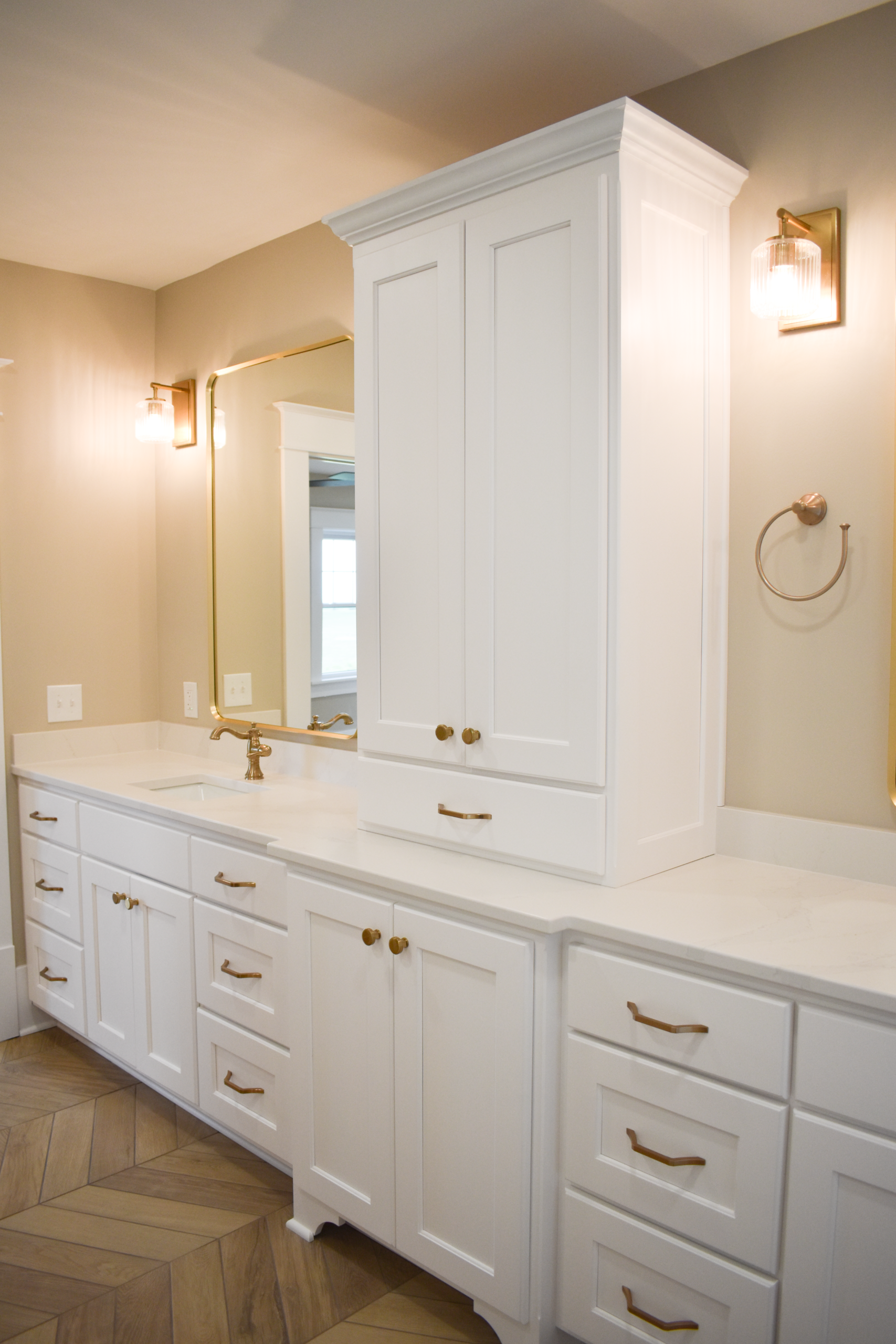
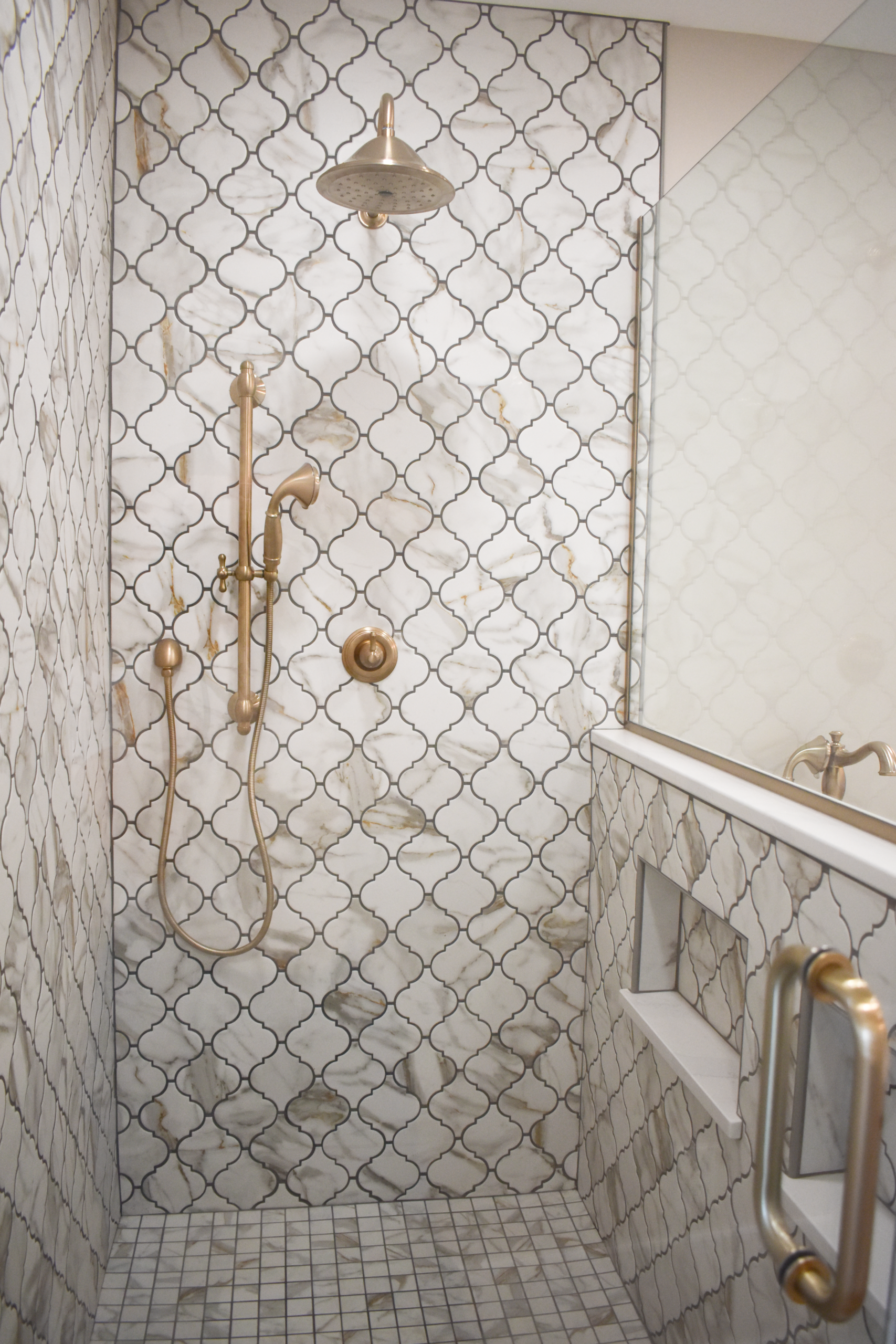
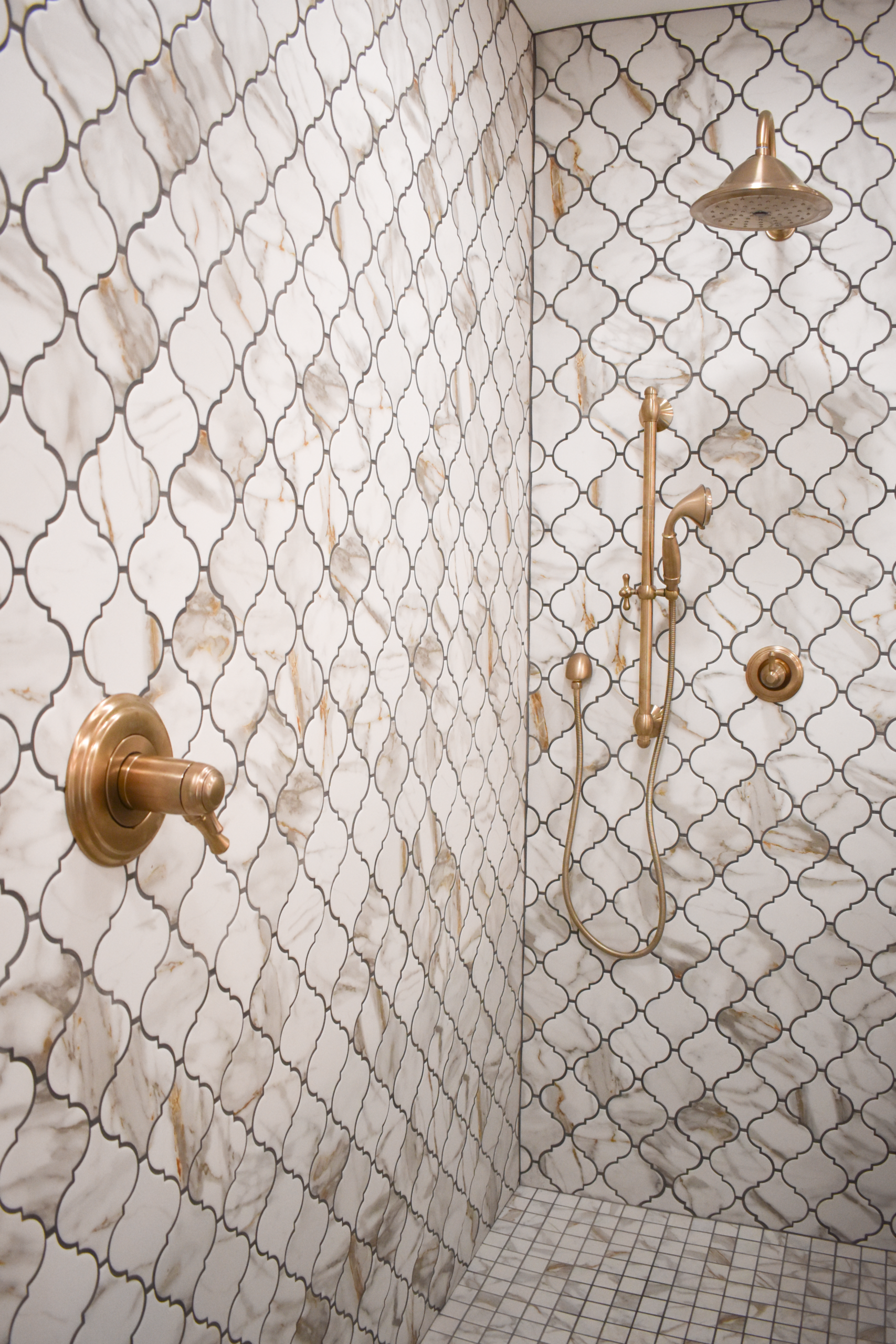
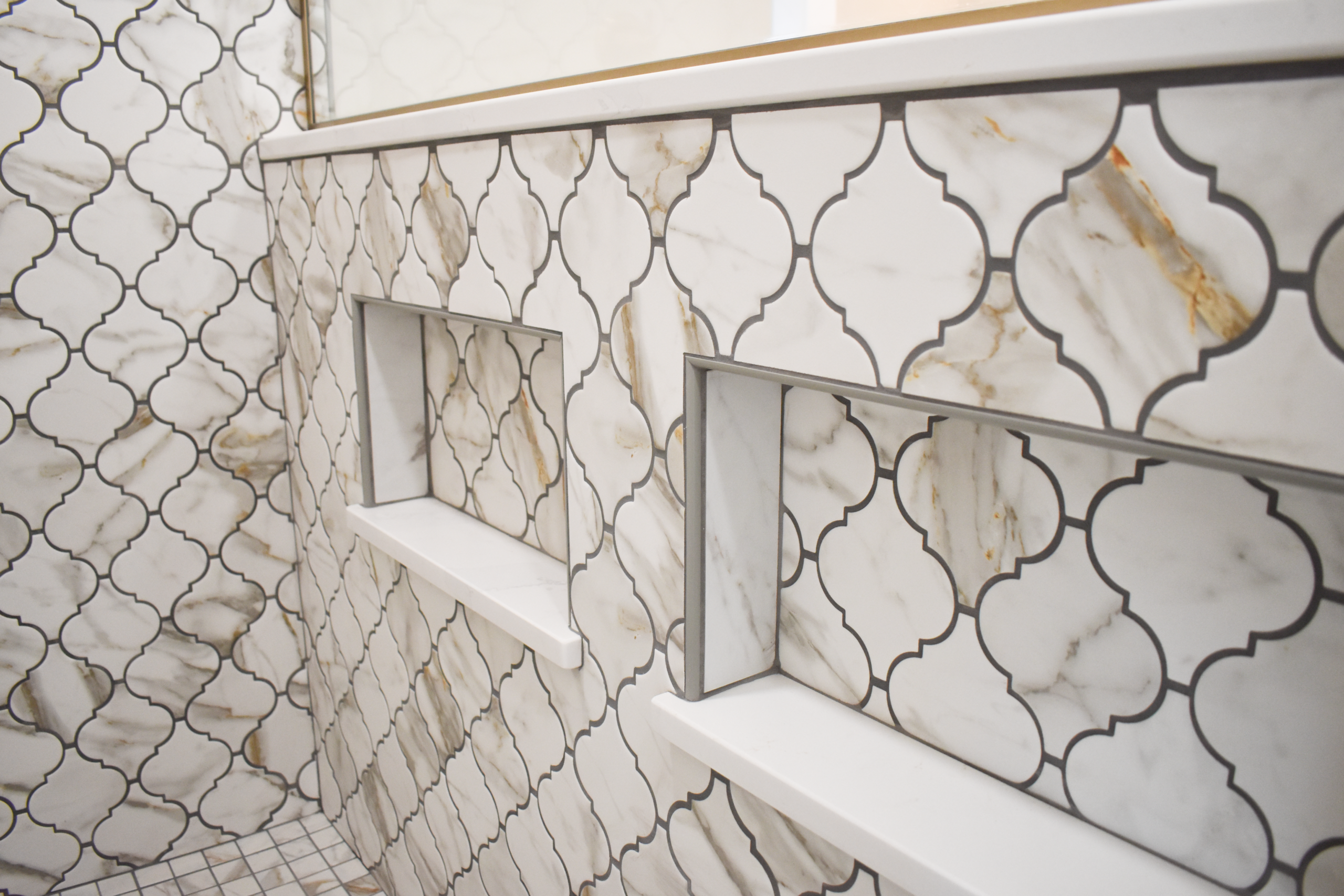
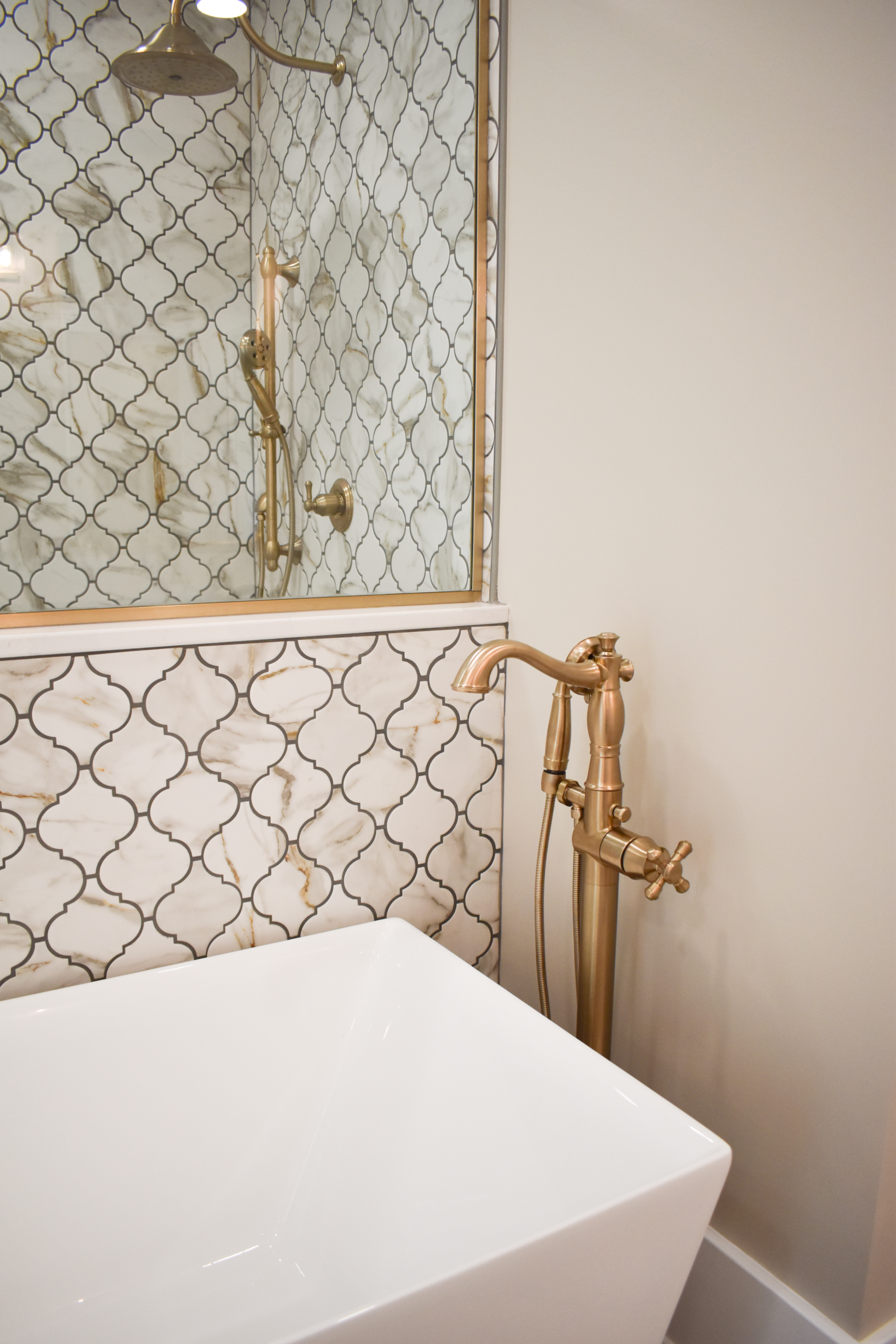
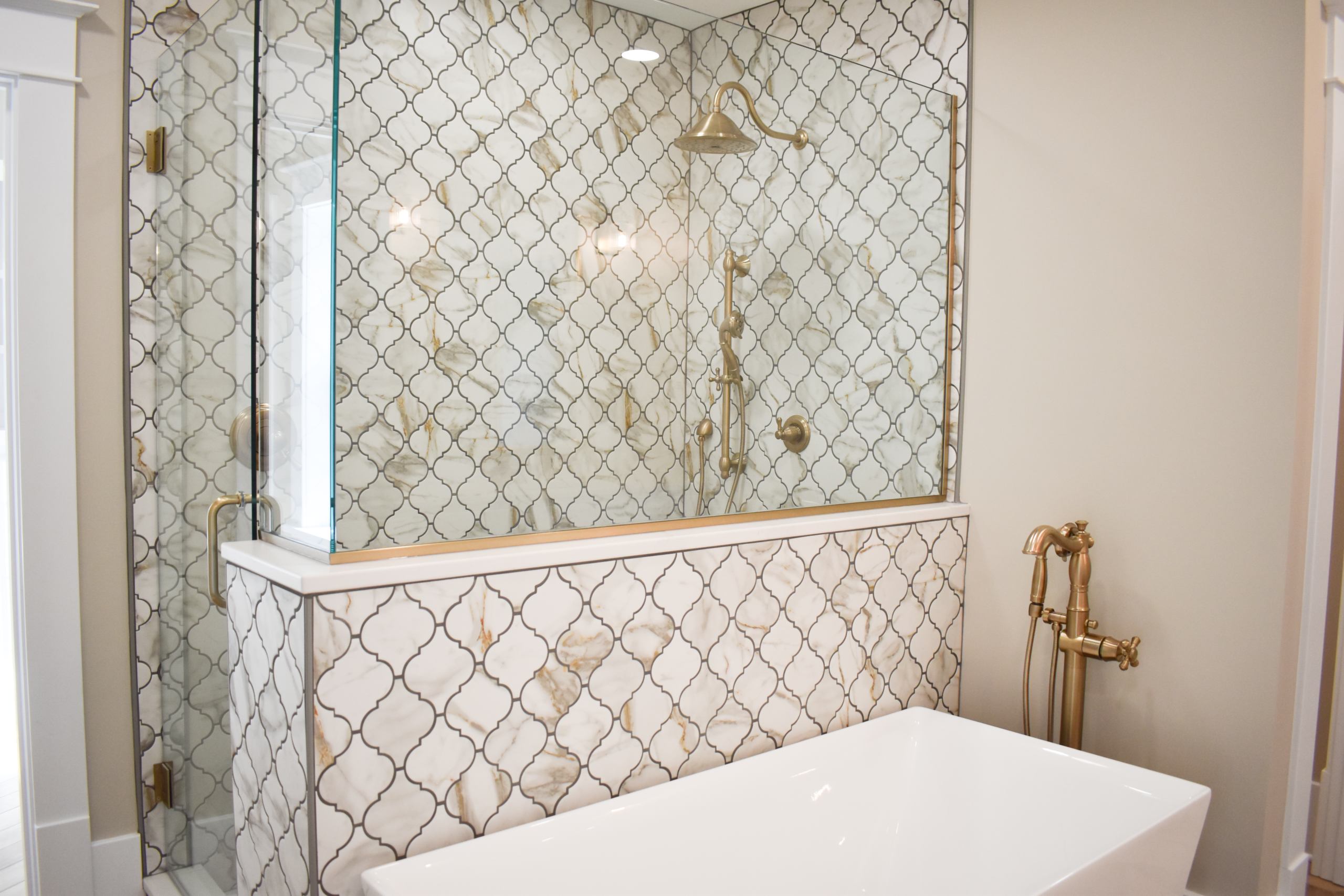
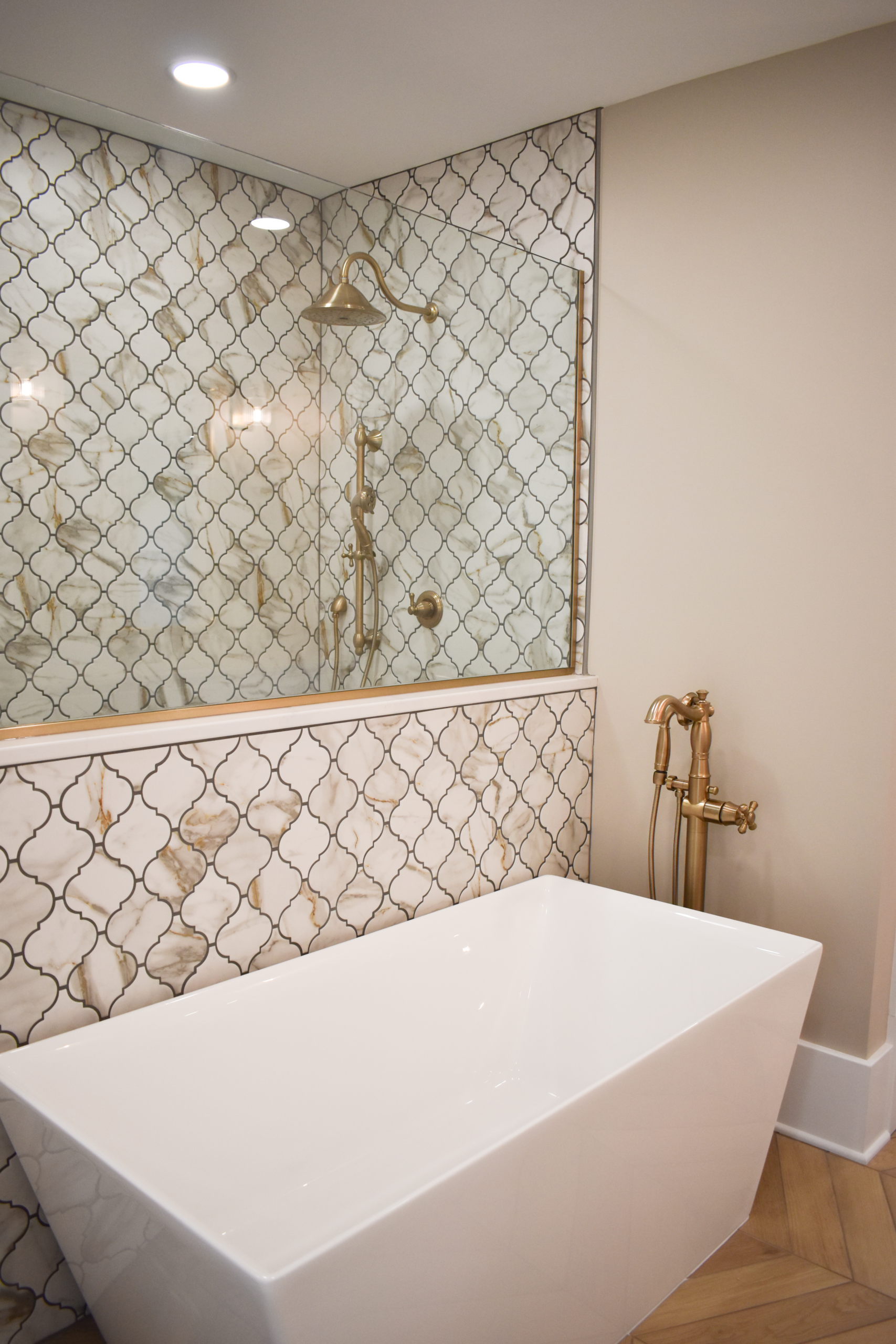
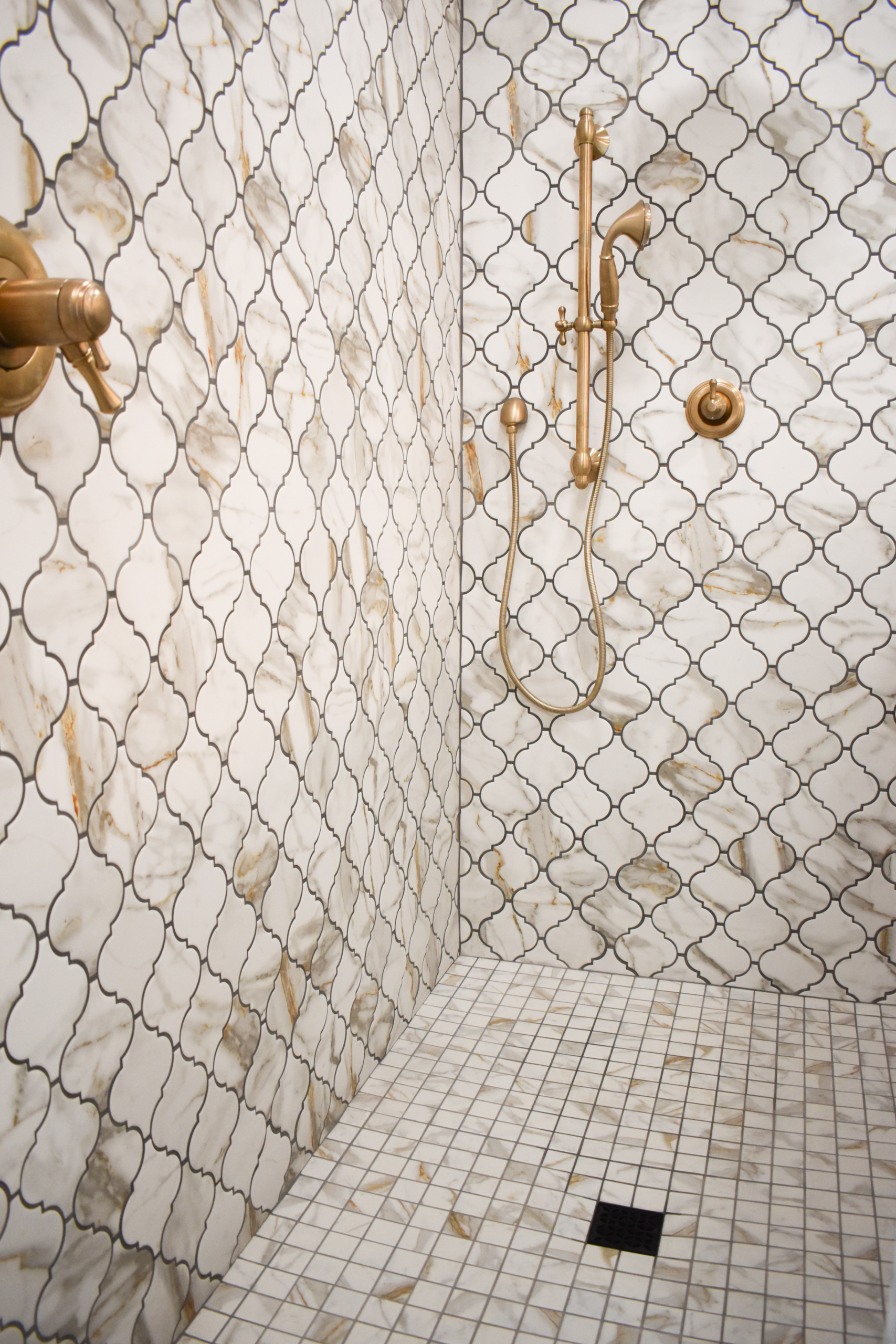
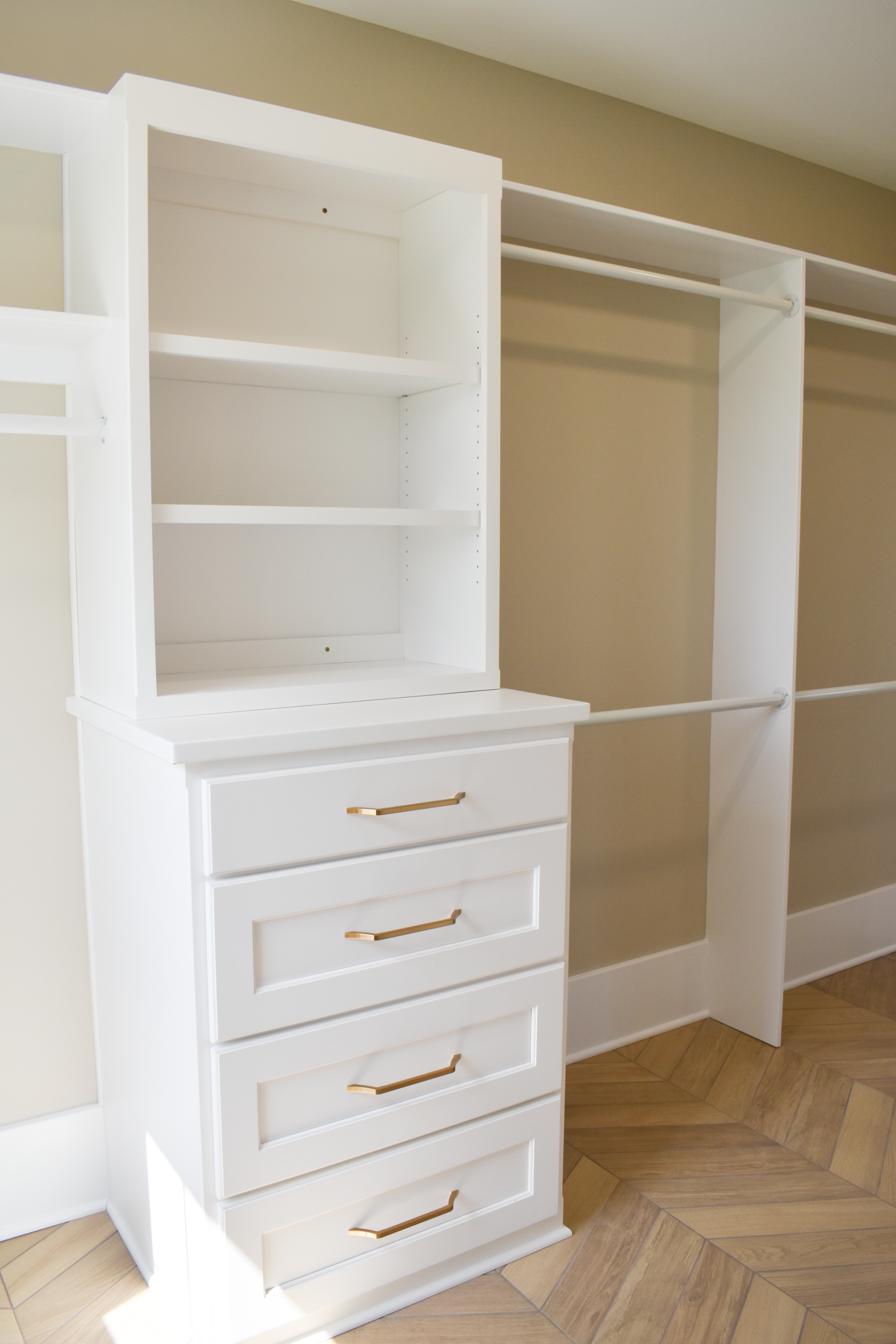
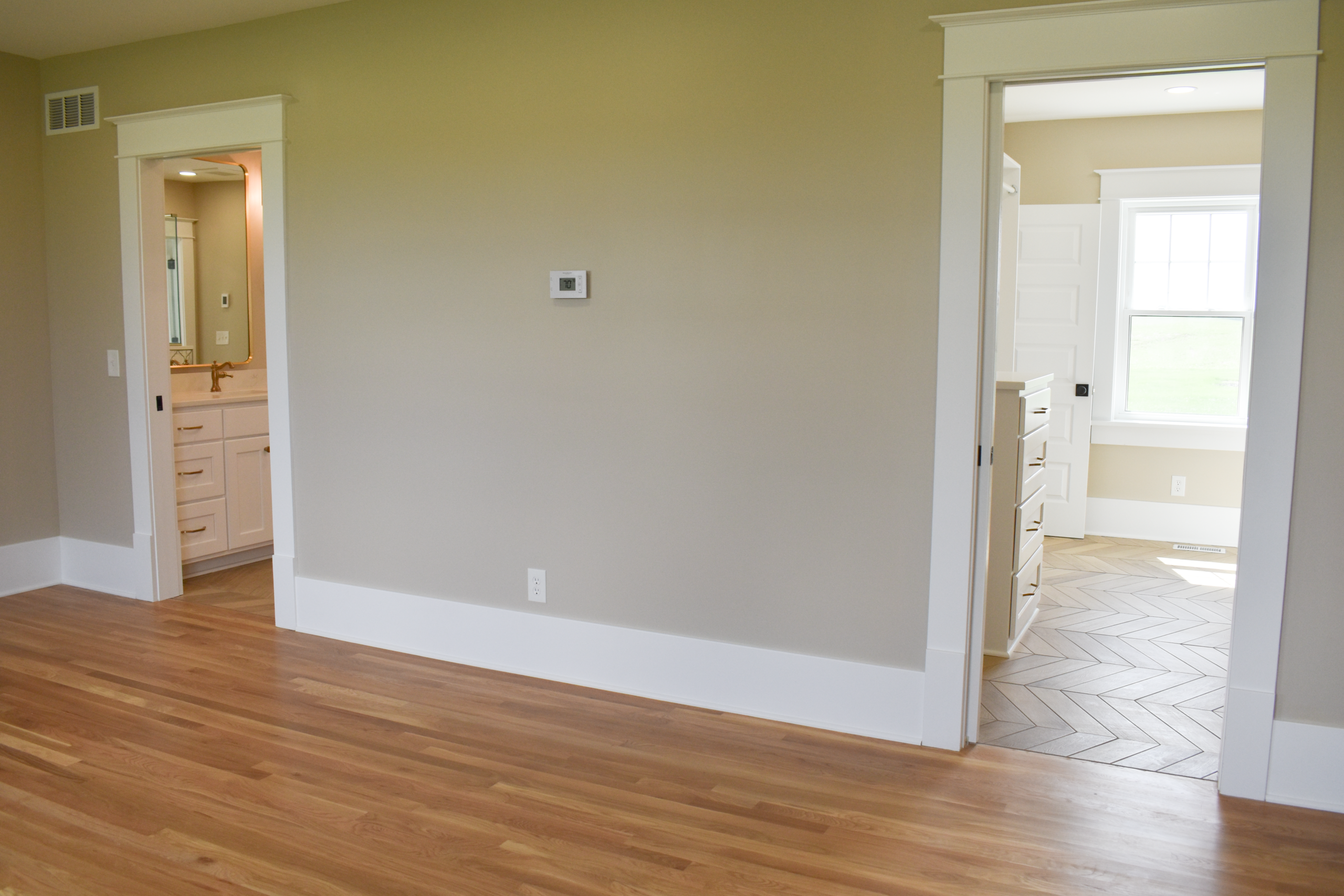
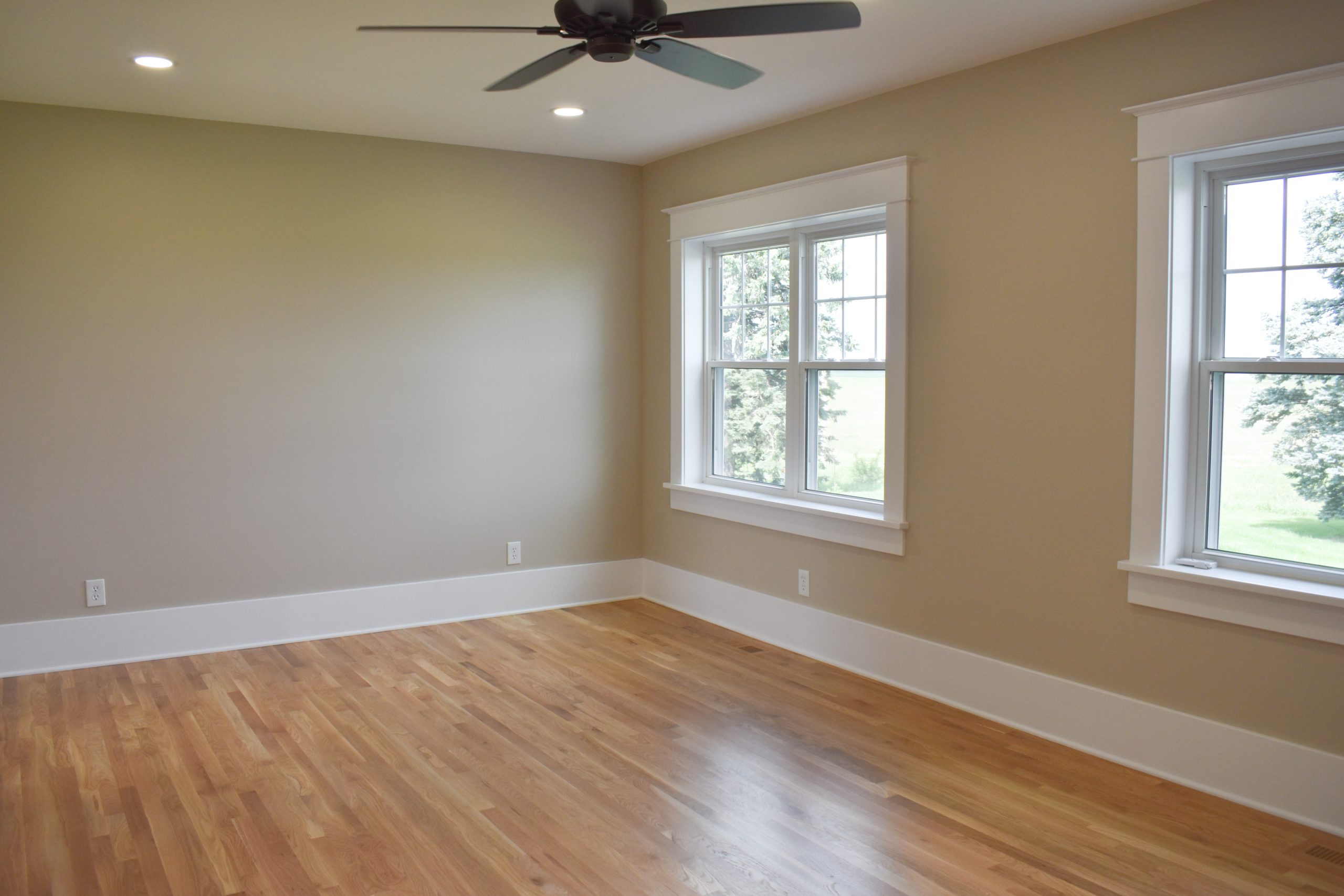
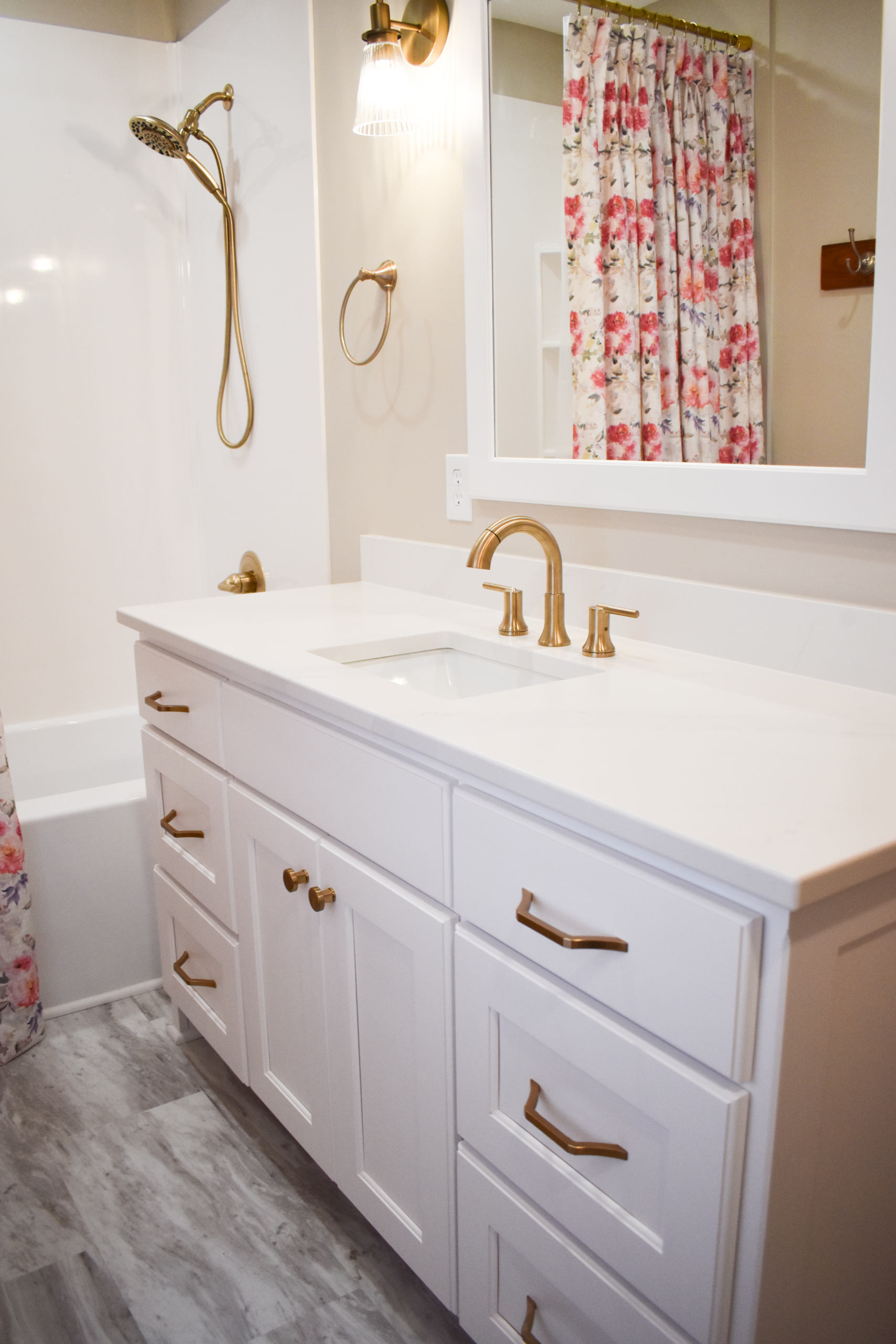
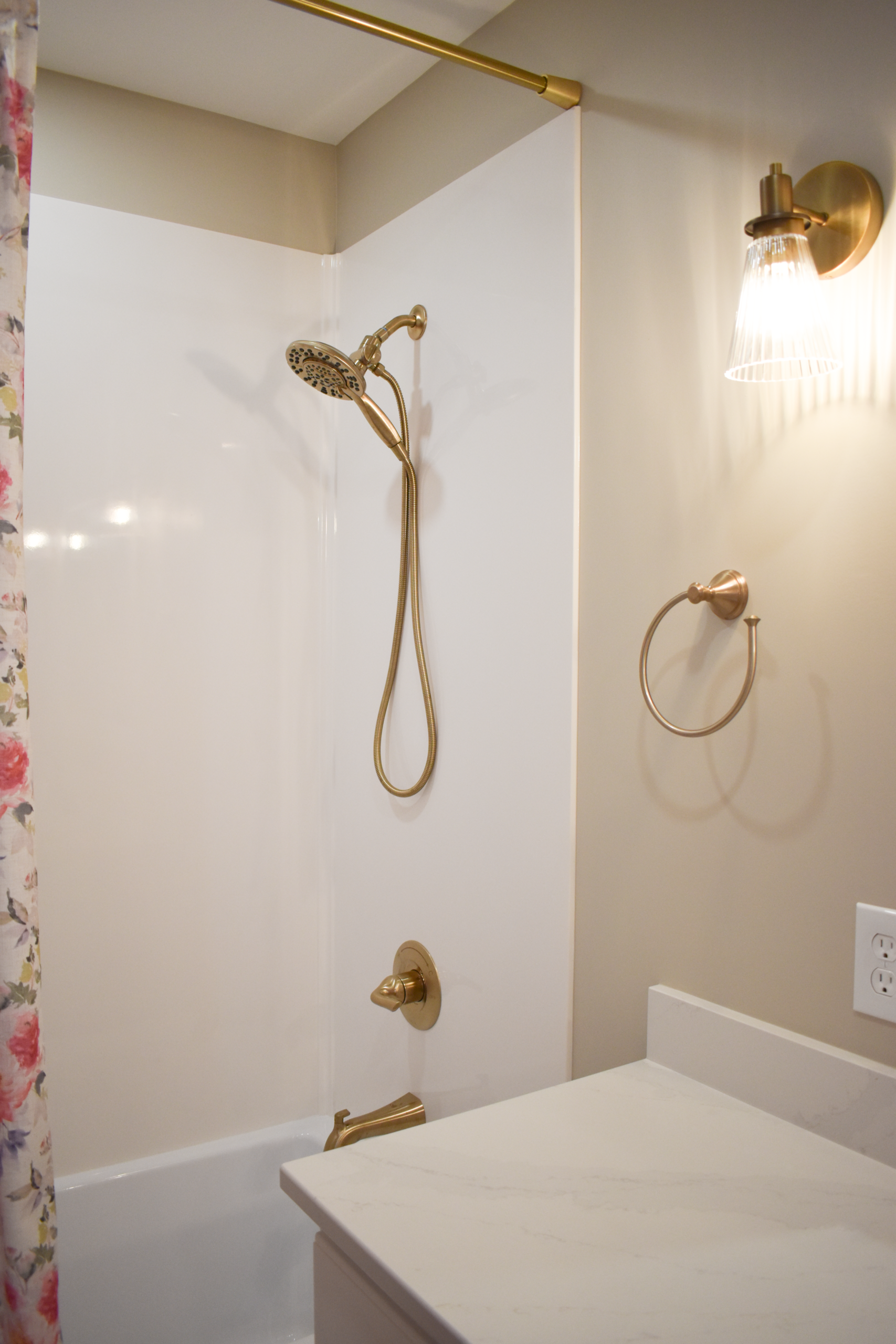
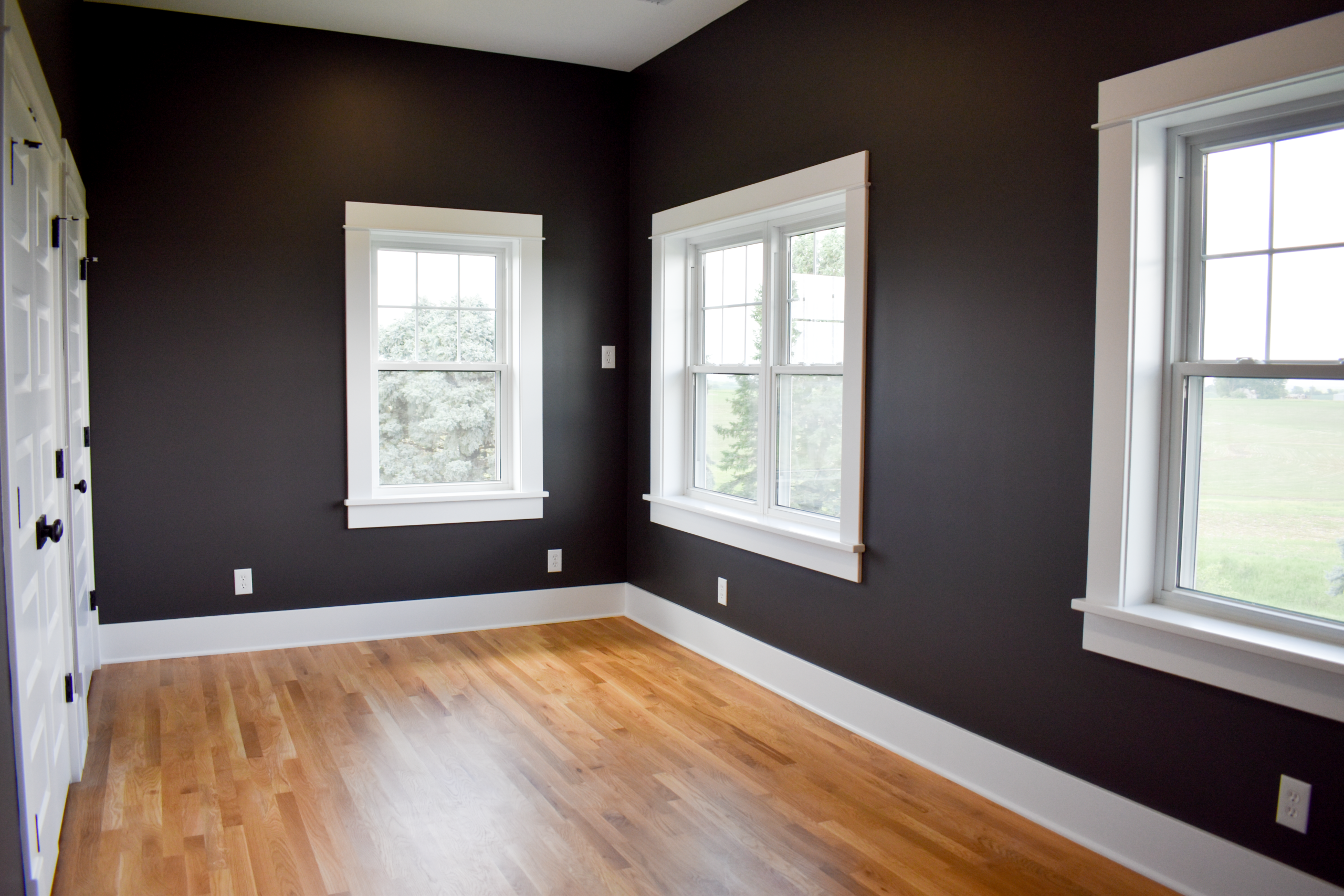
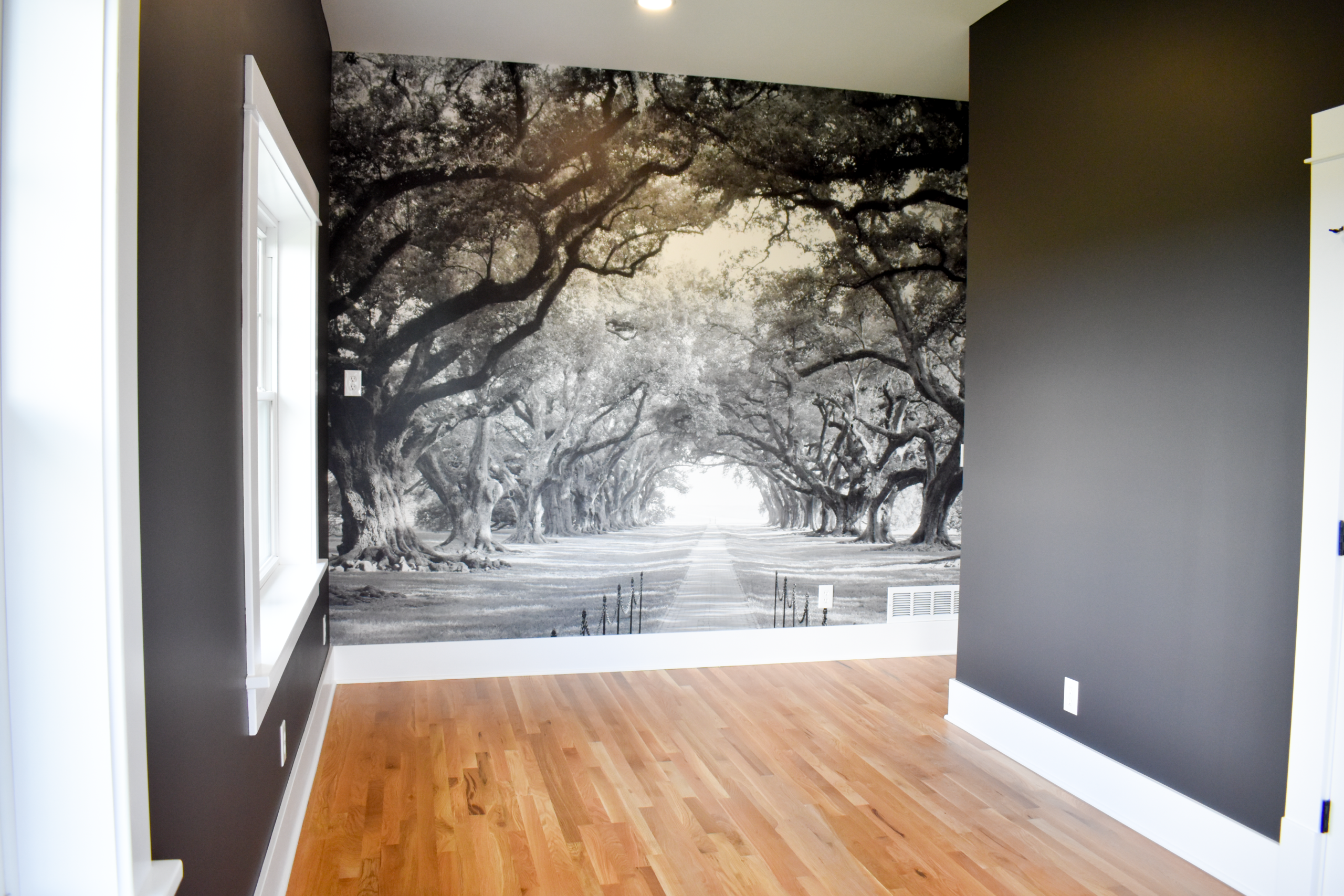
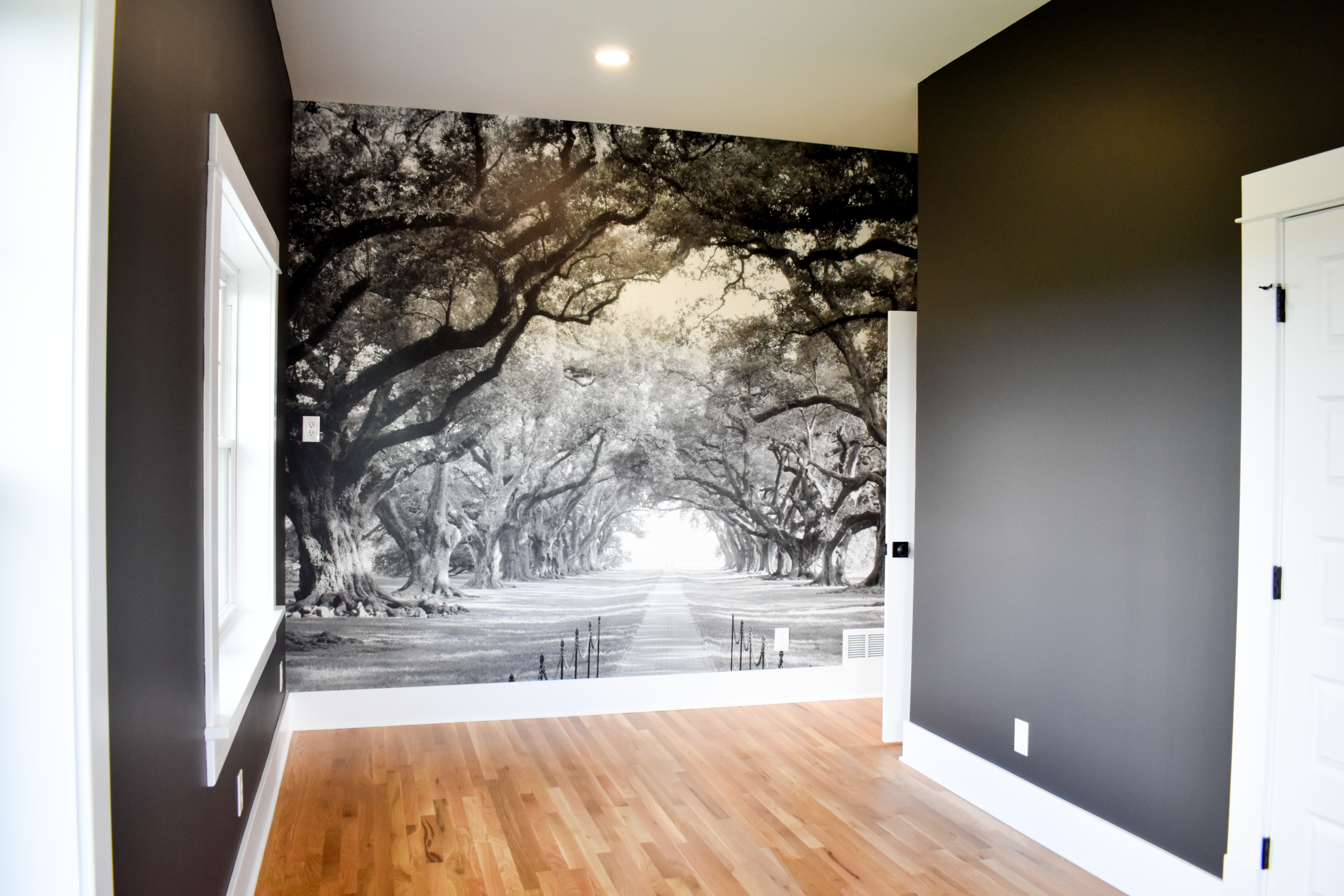
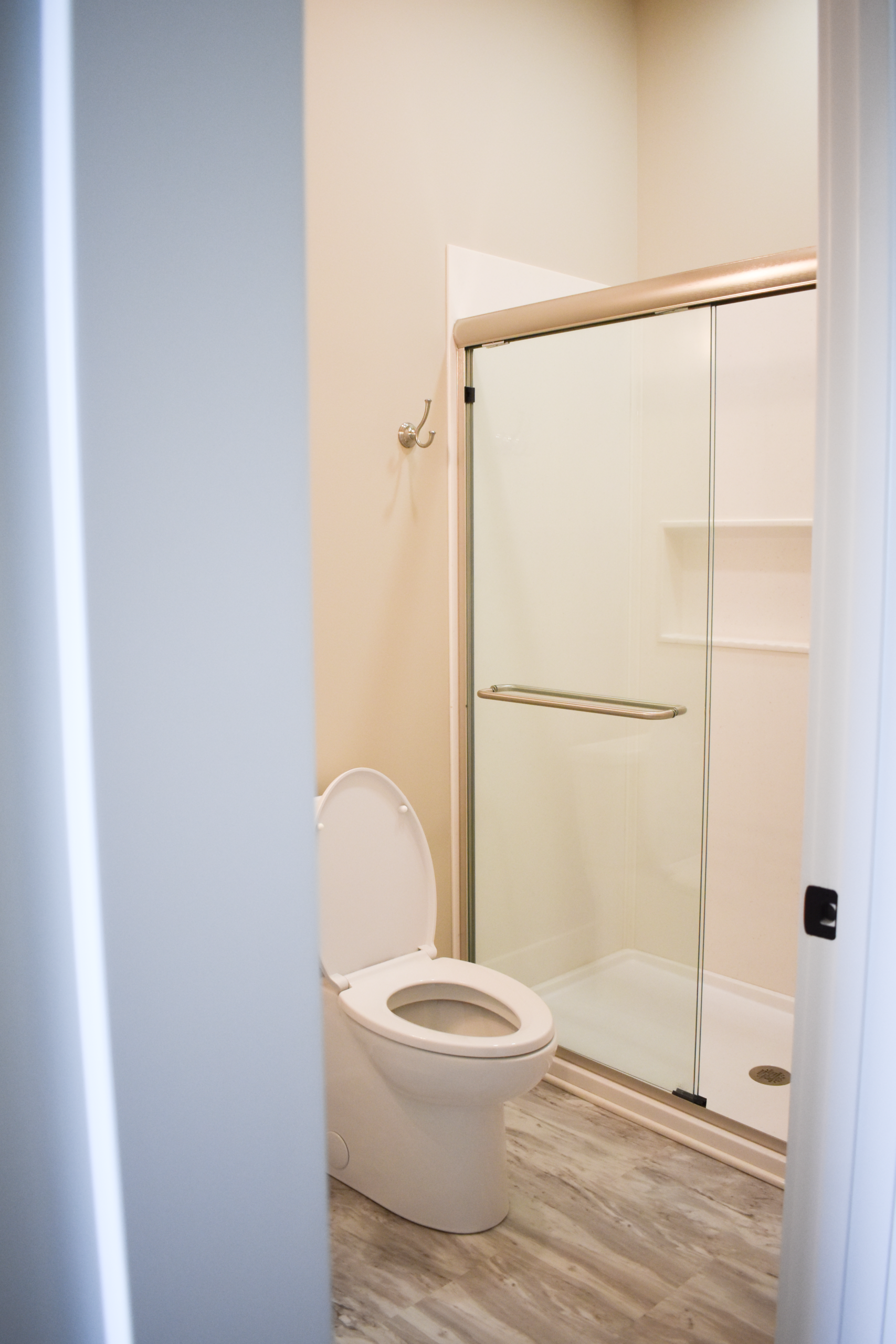
The project included a new two-story addition along with an extensive renovation of the existing home. On the main floor, the addition created a spacious new primary suite with an attached bathroom and walk-in closet. Upstairs, it added another bedroom, bathroom, and office, giving the homeowners significantly more usable living space while allowing the addition to feel like a natural extension of the original house.
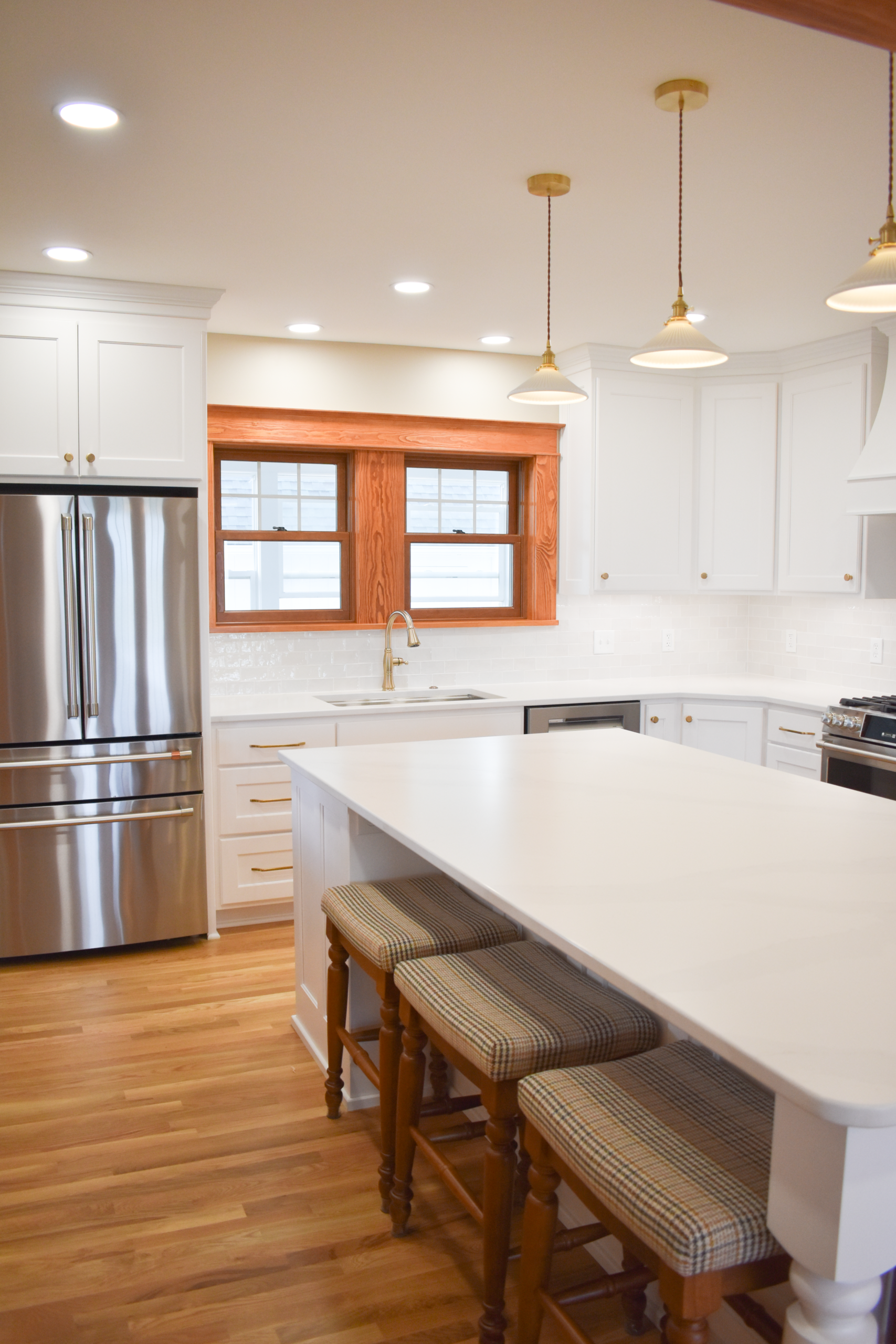
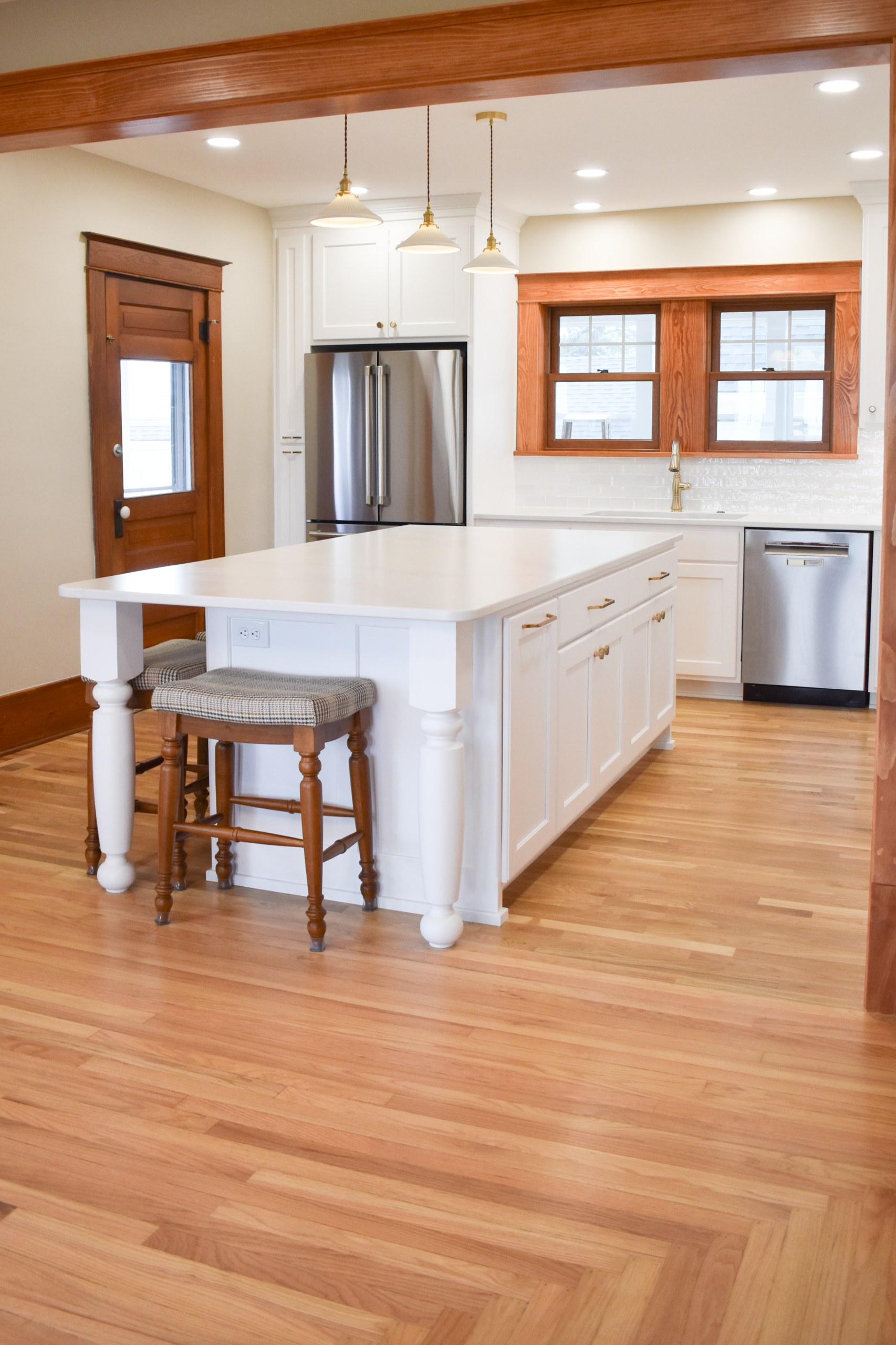
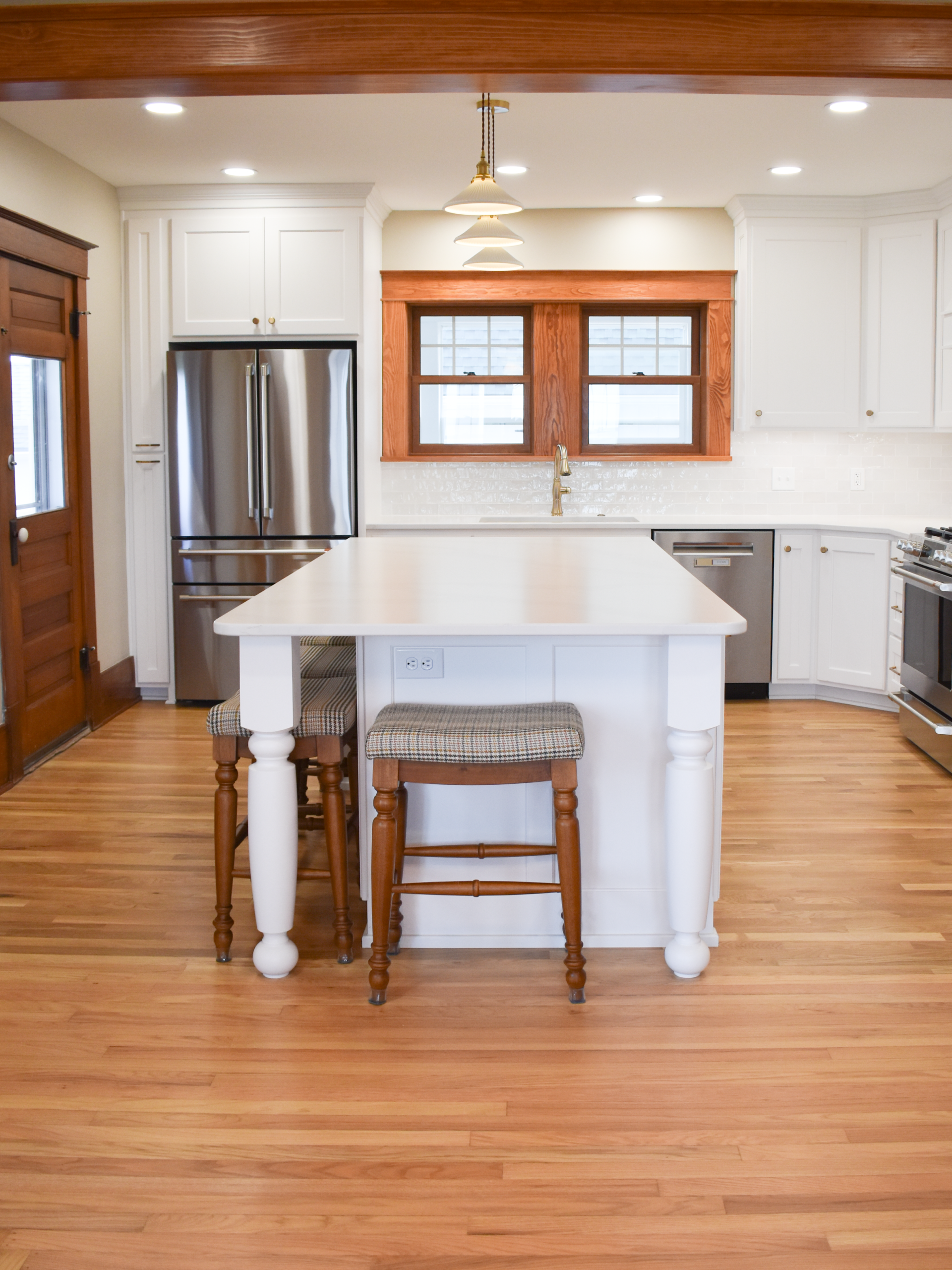
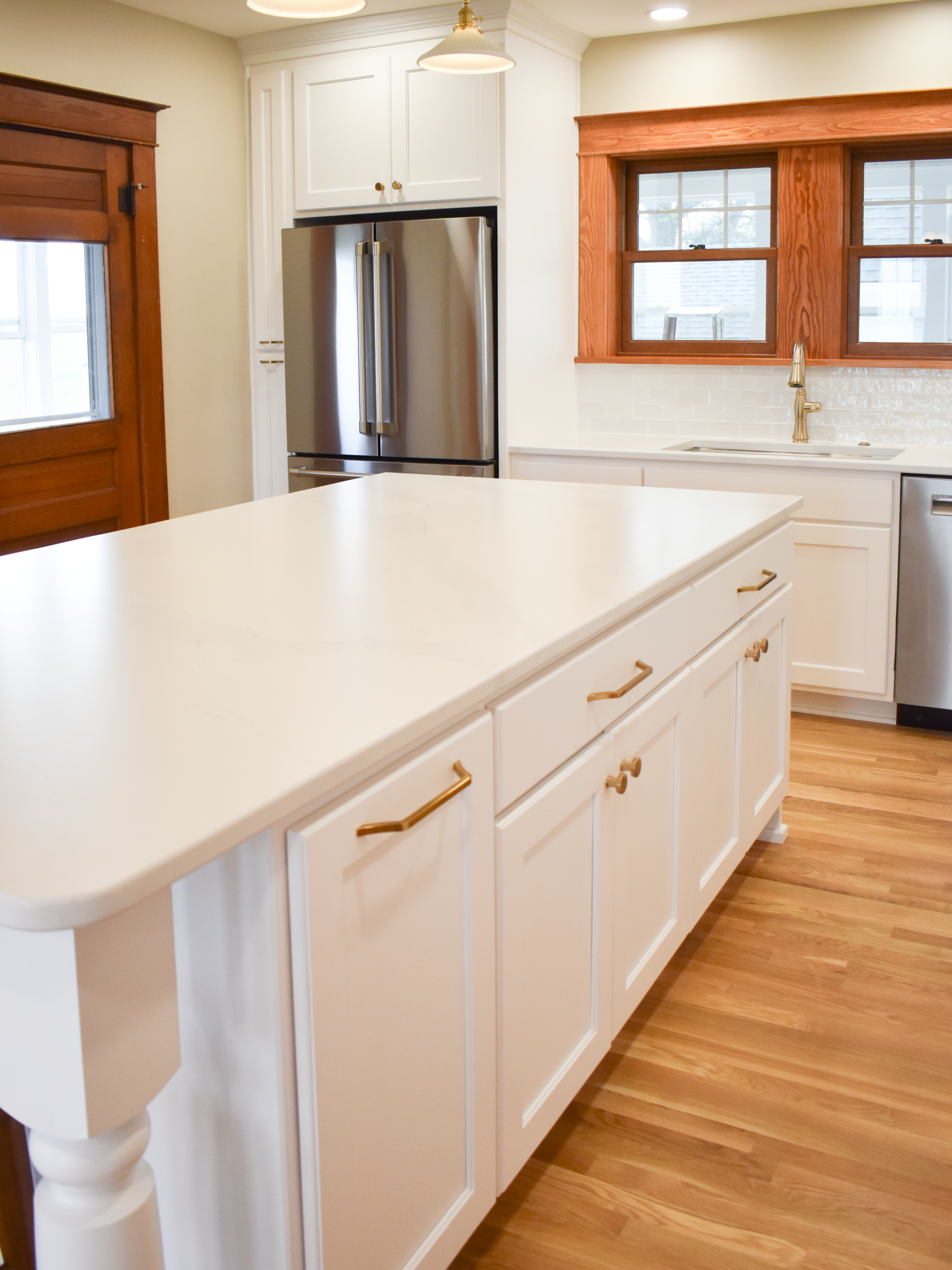
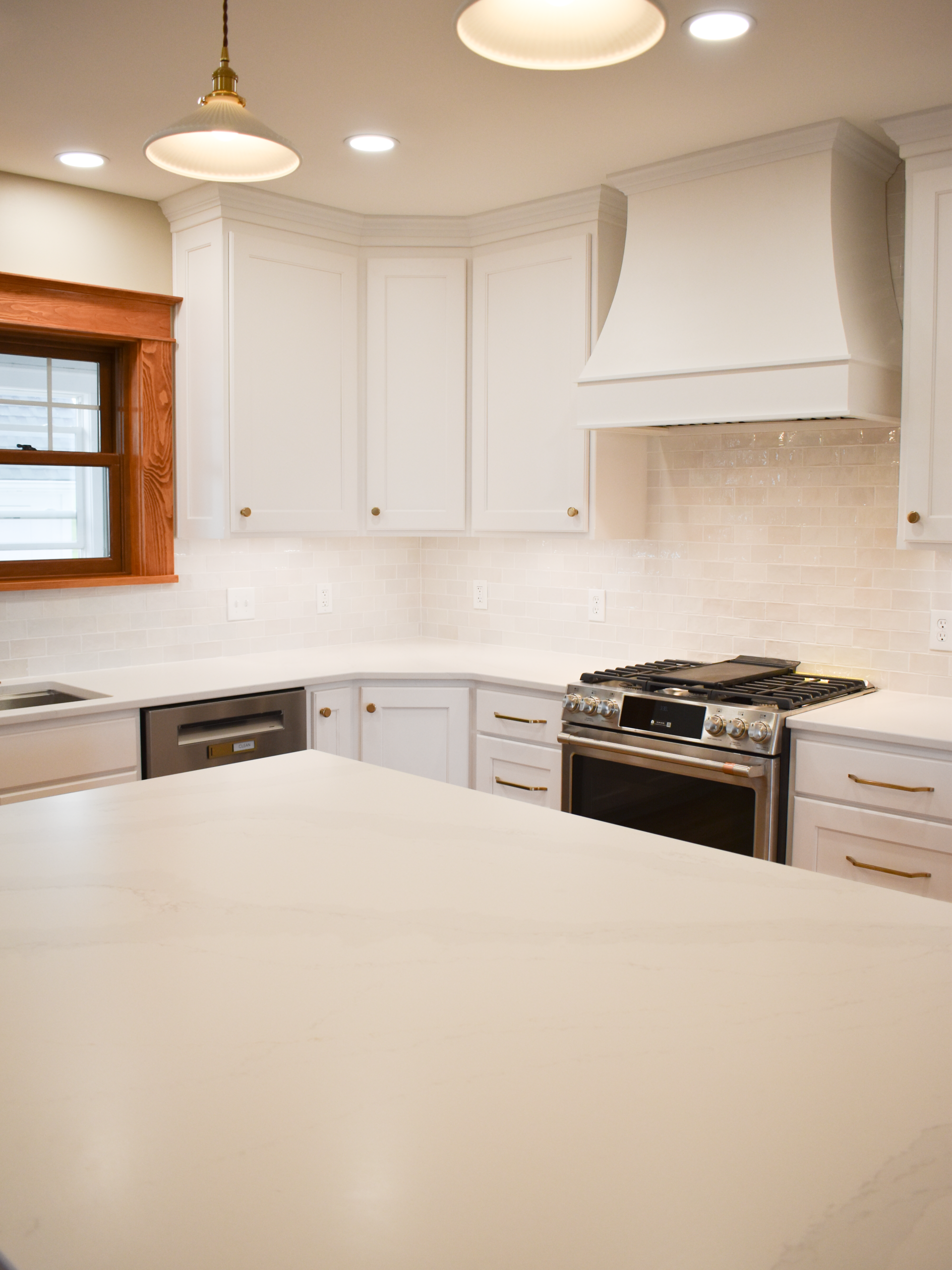
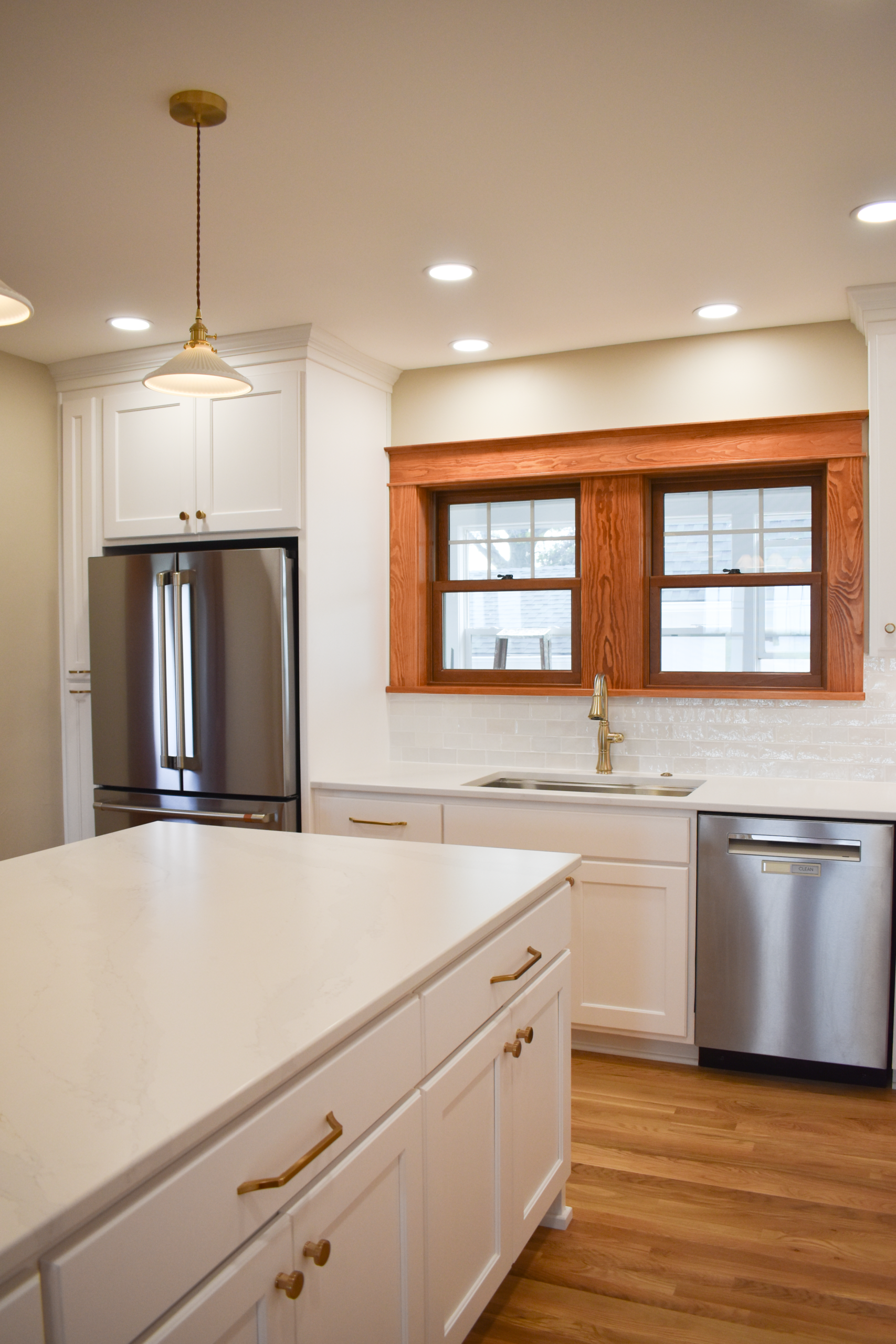
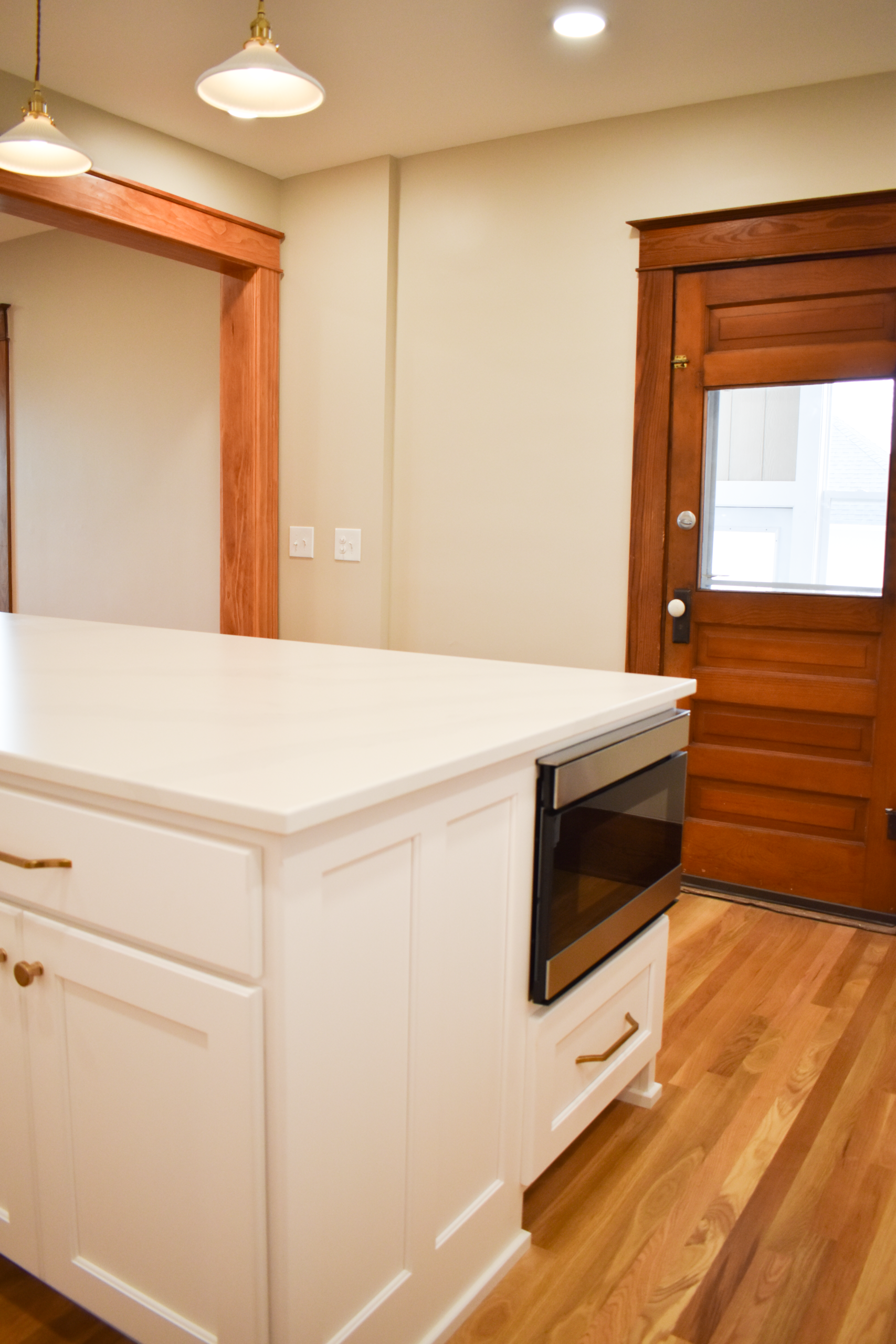
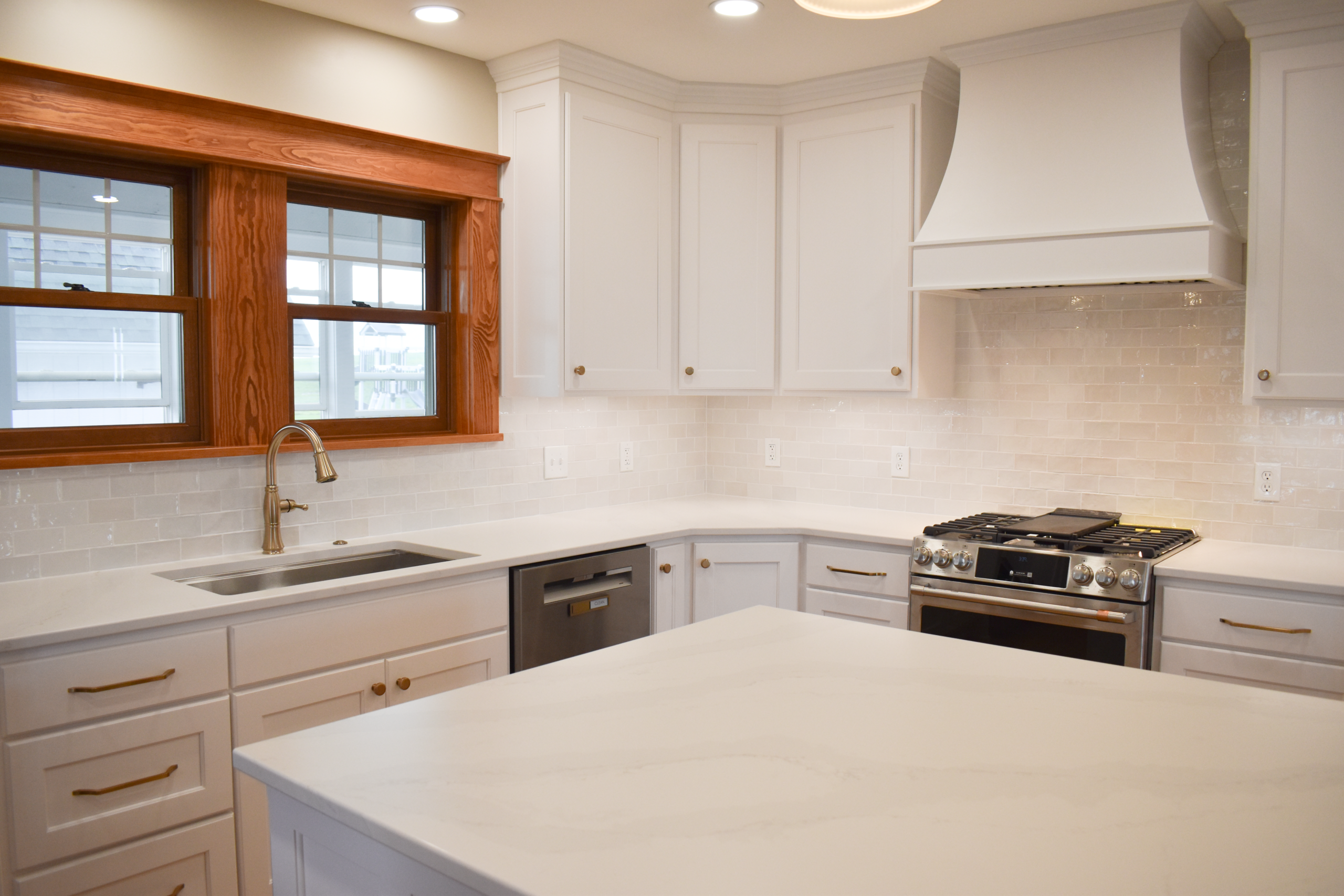
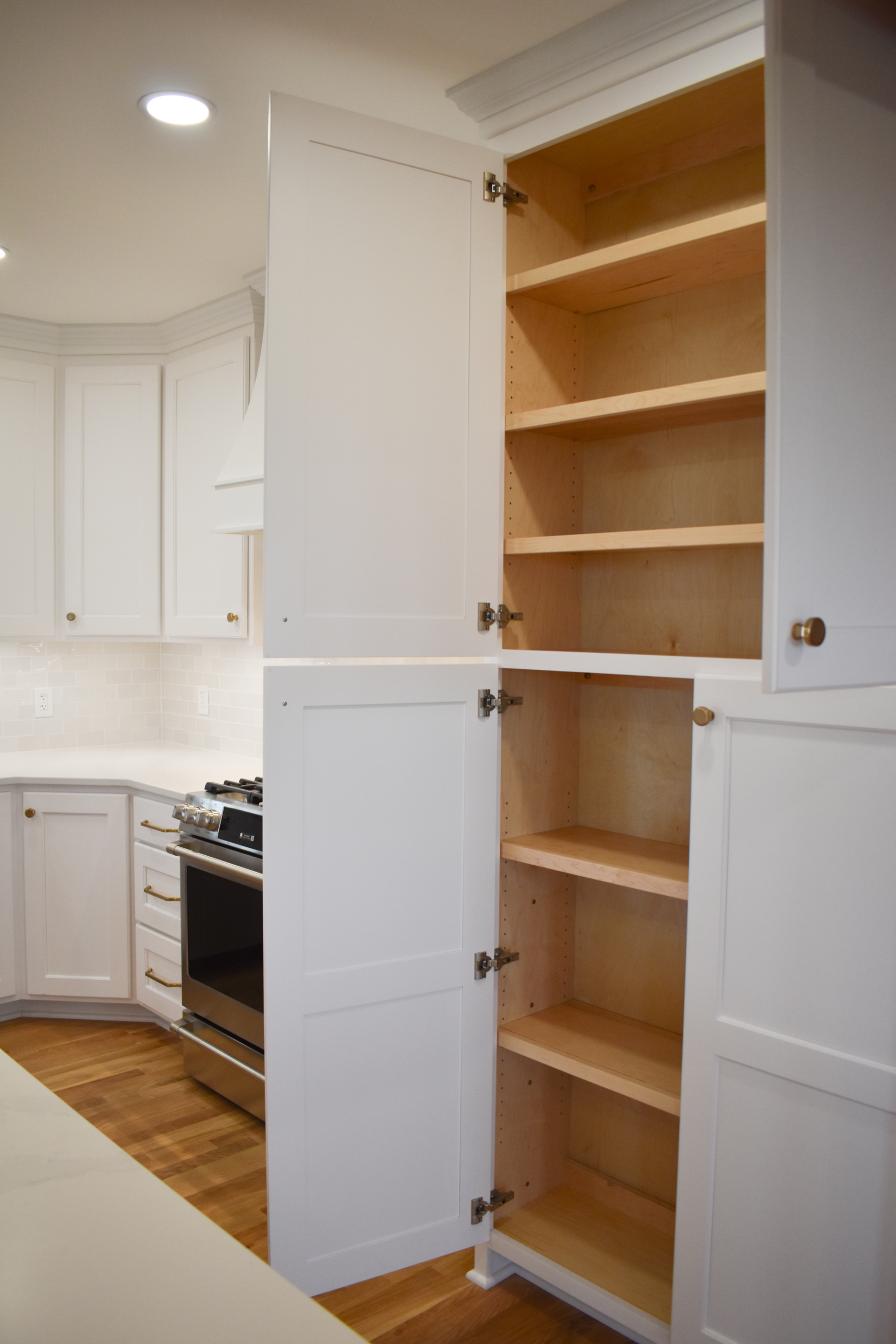
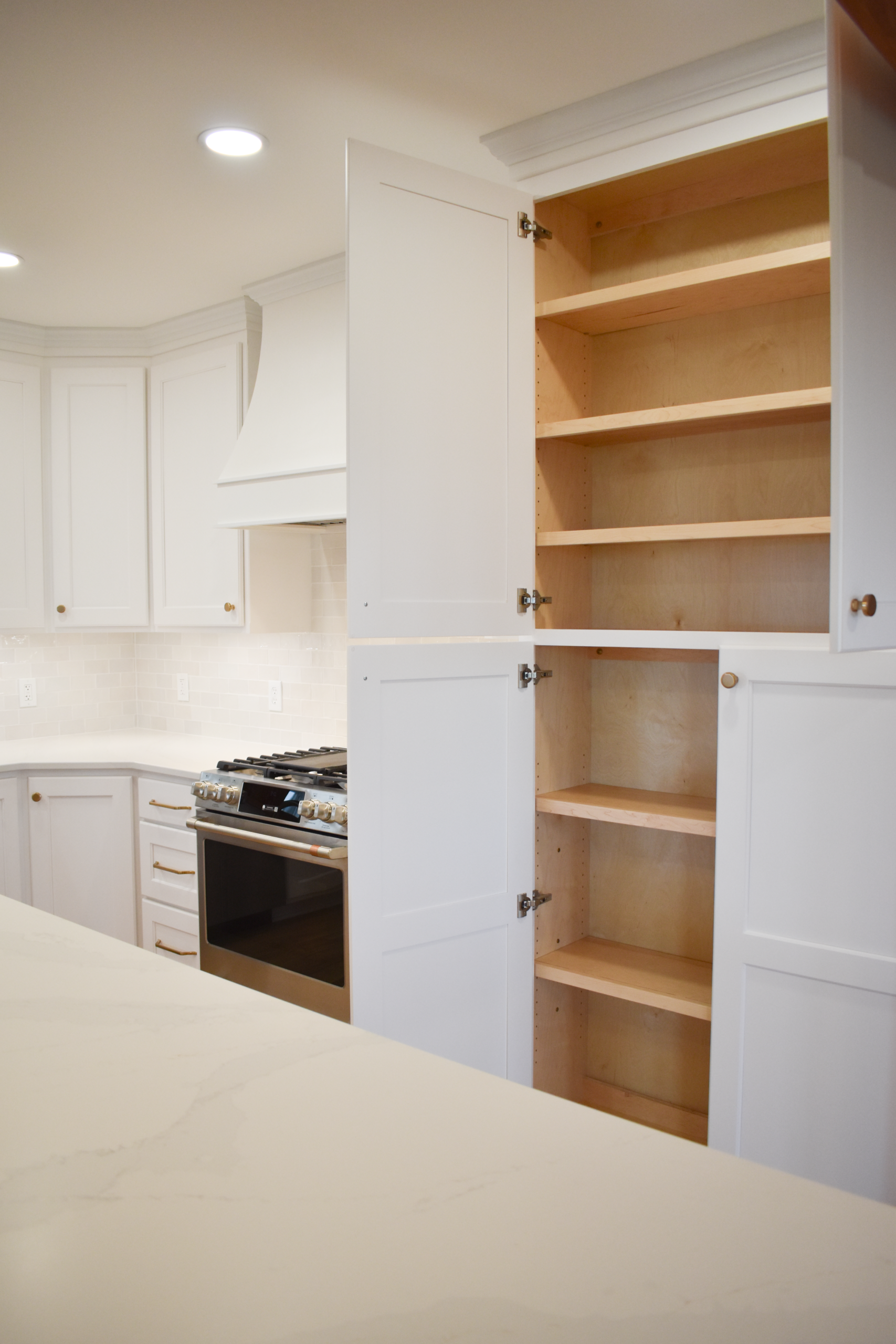
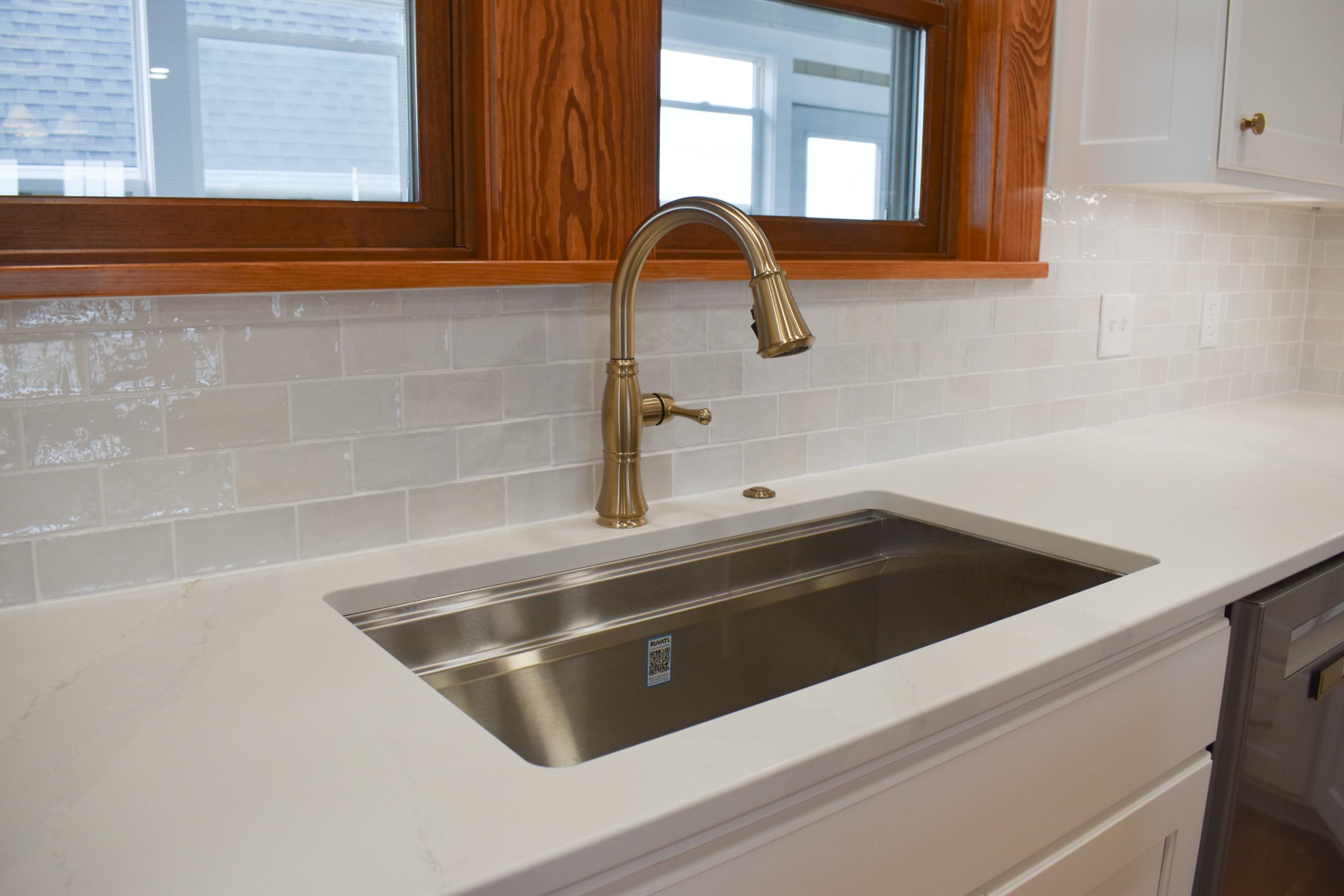
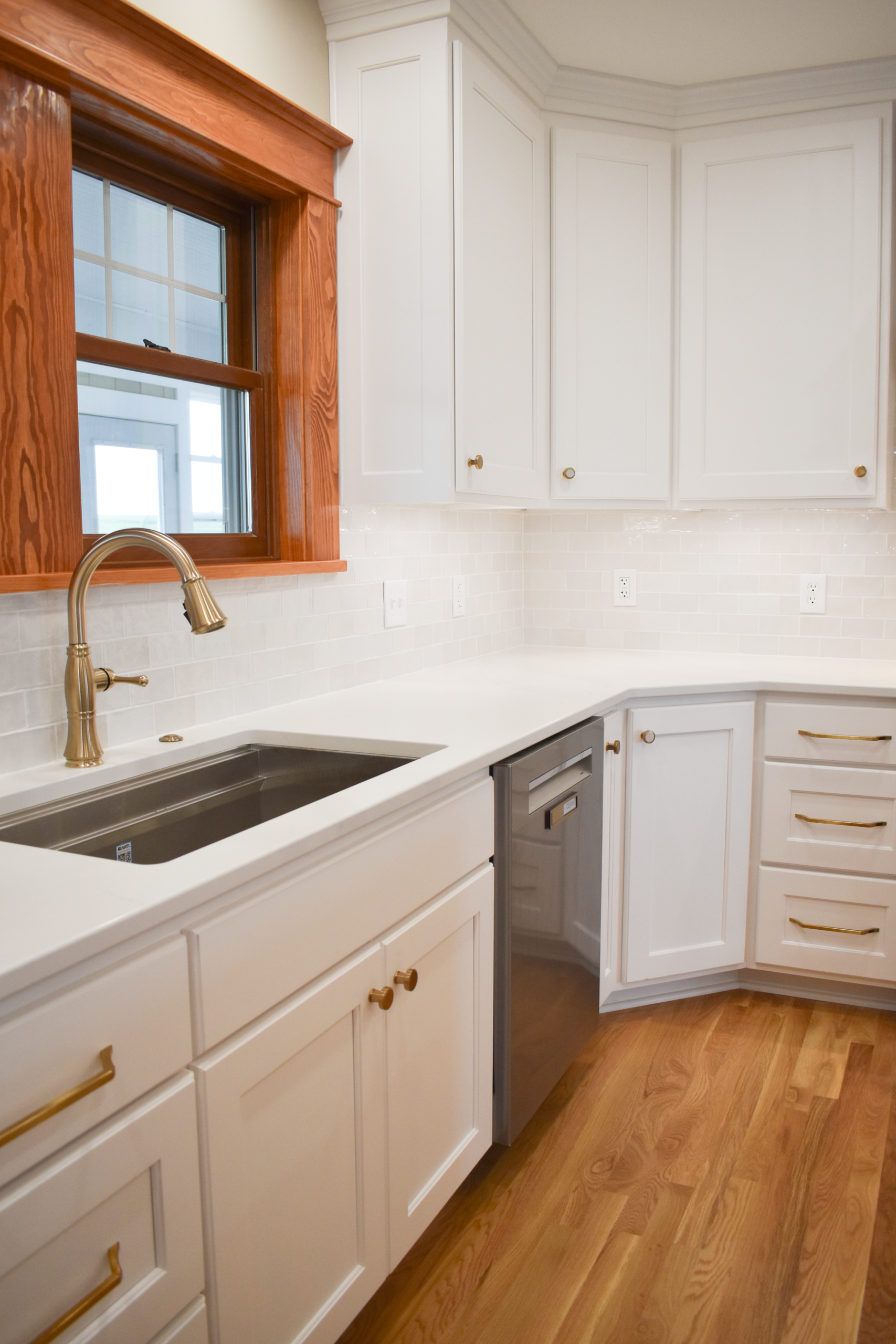
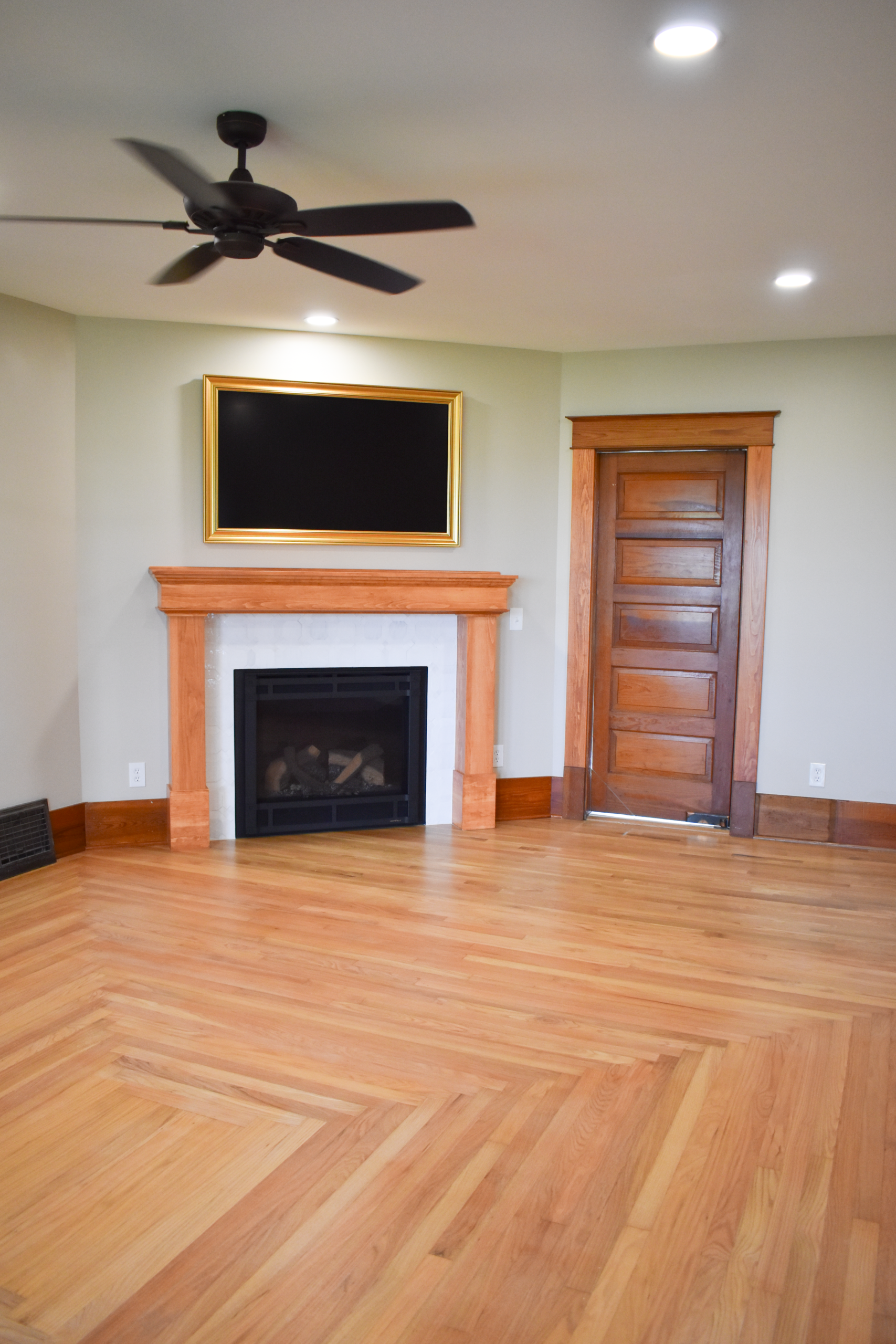
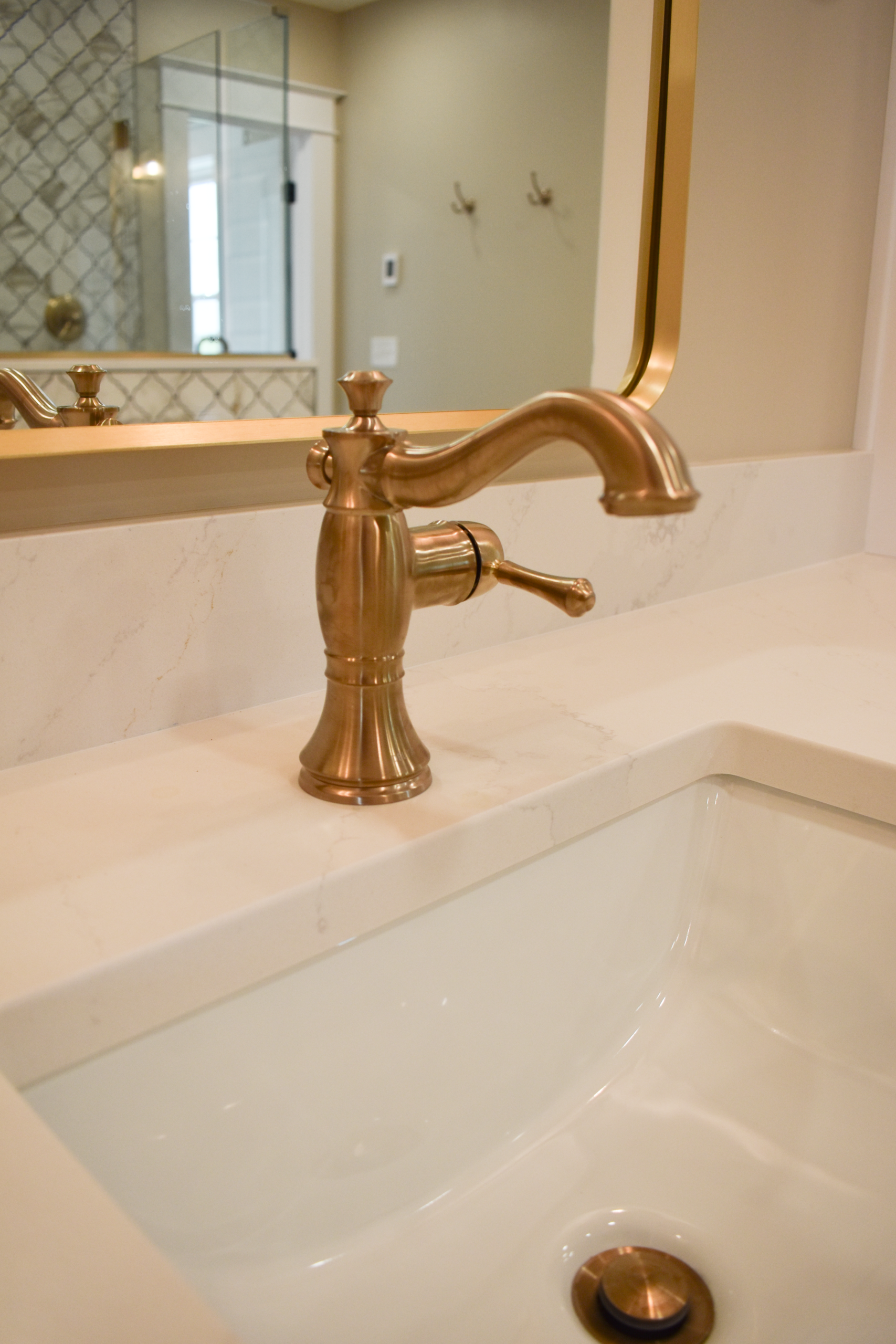
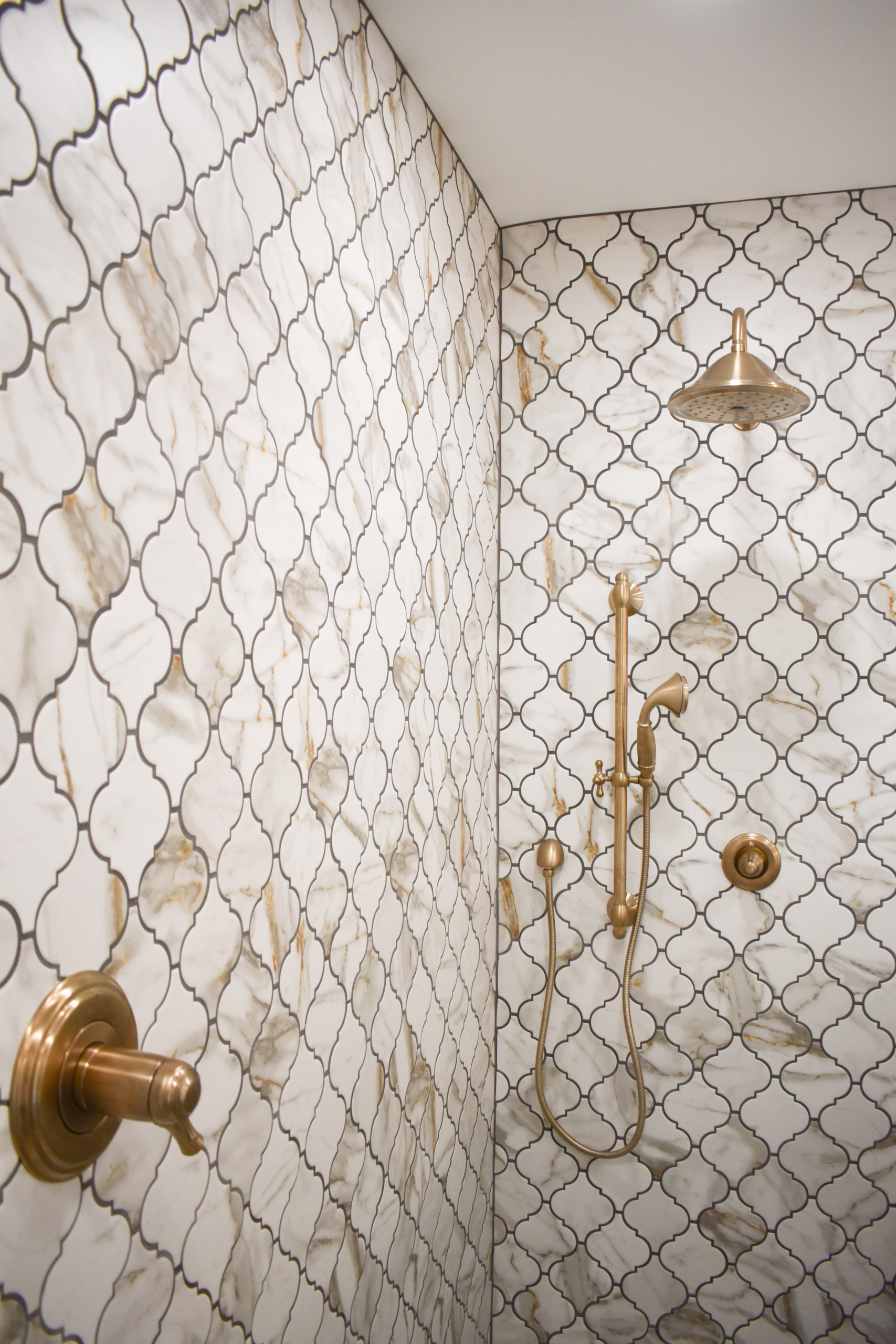
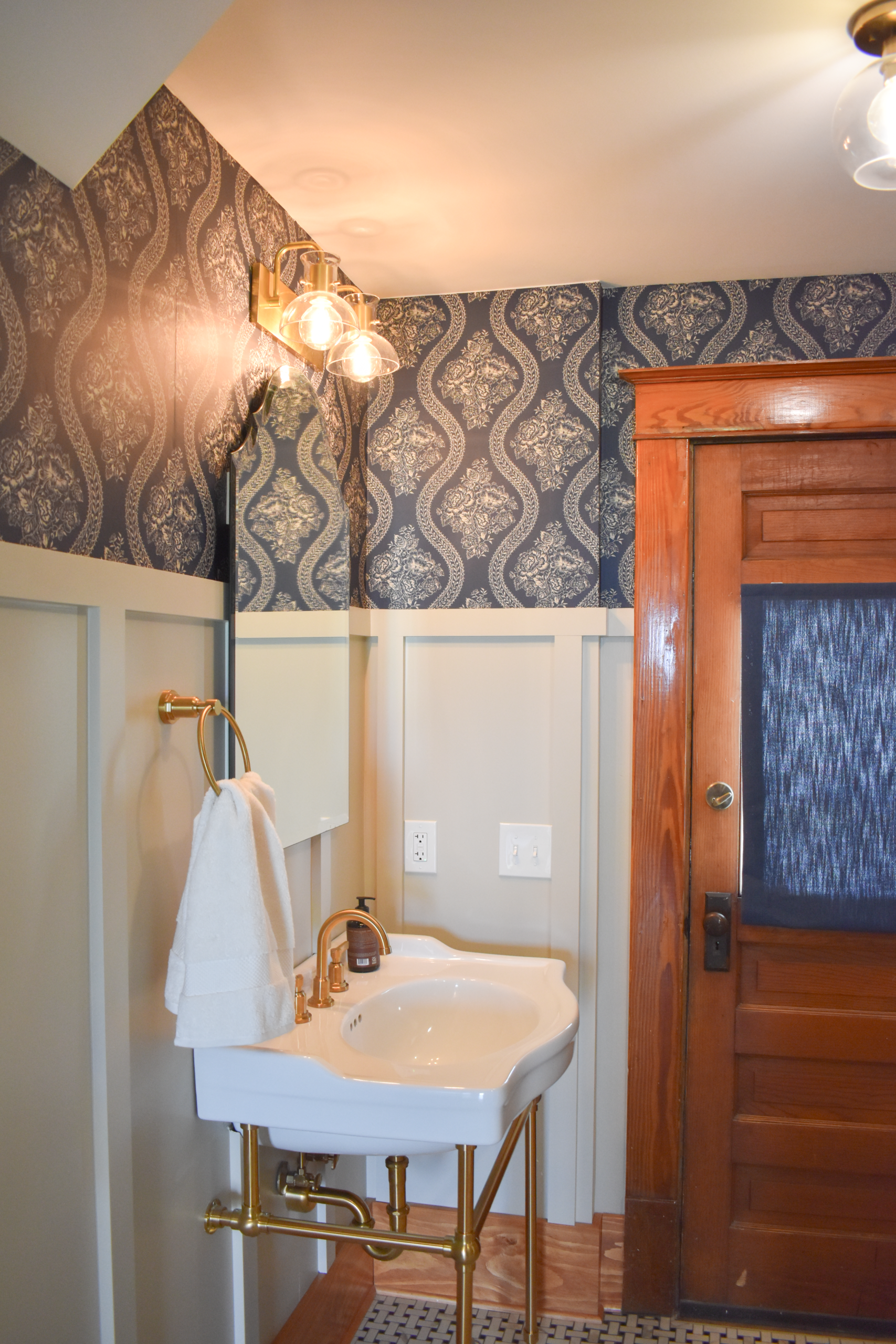
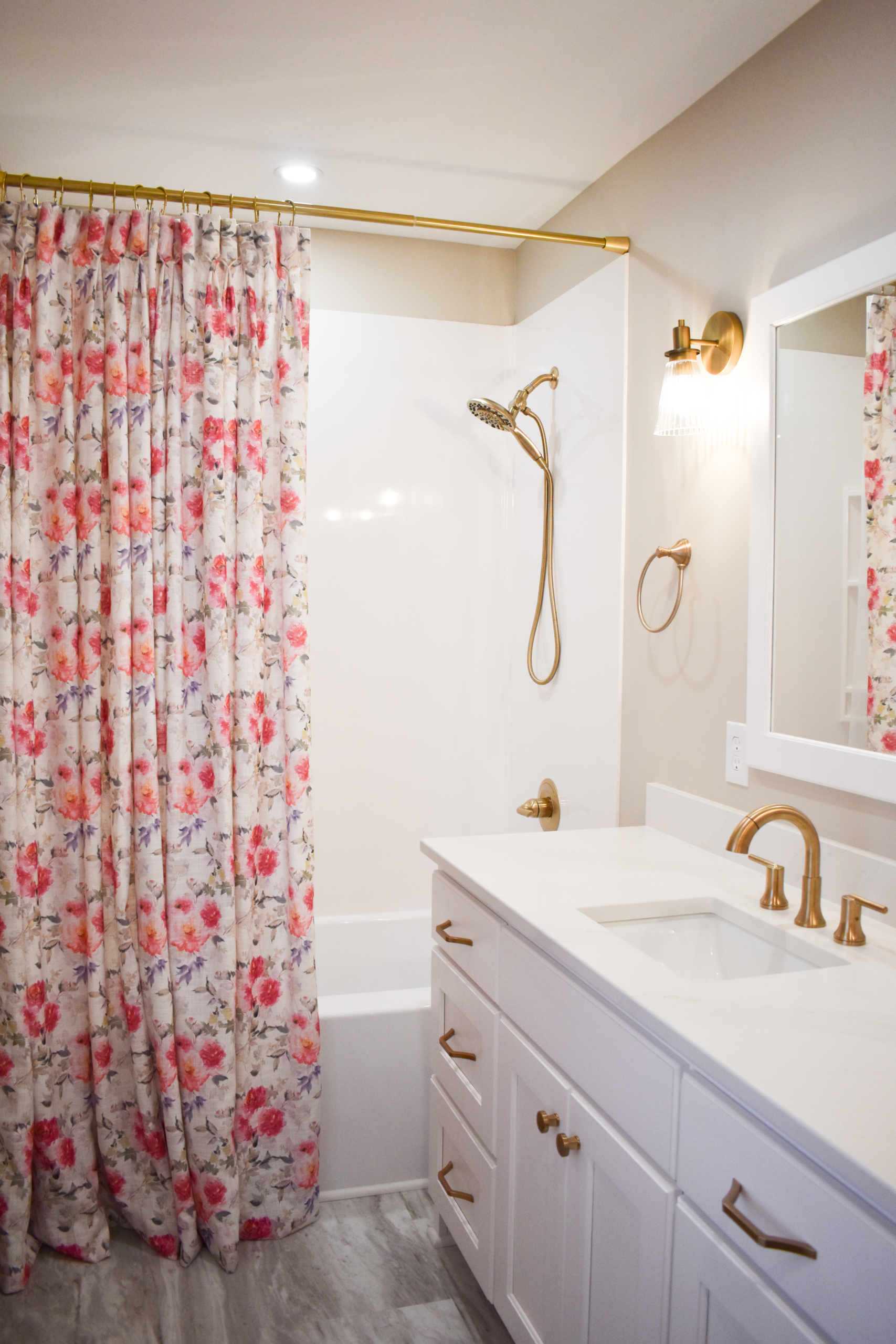
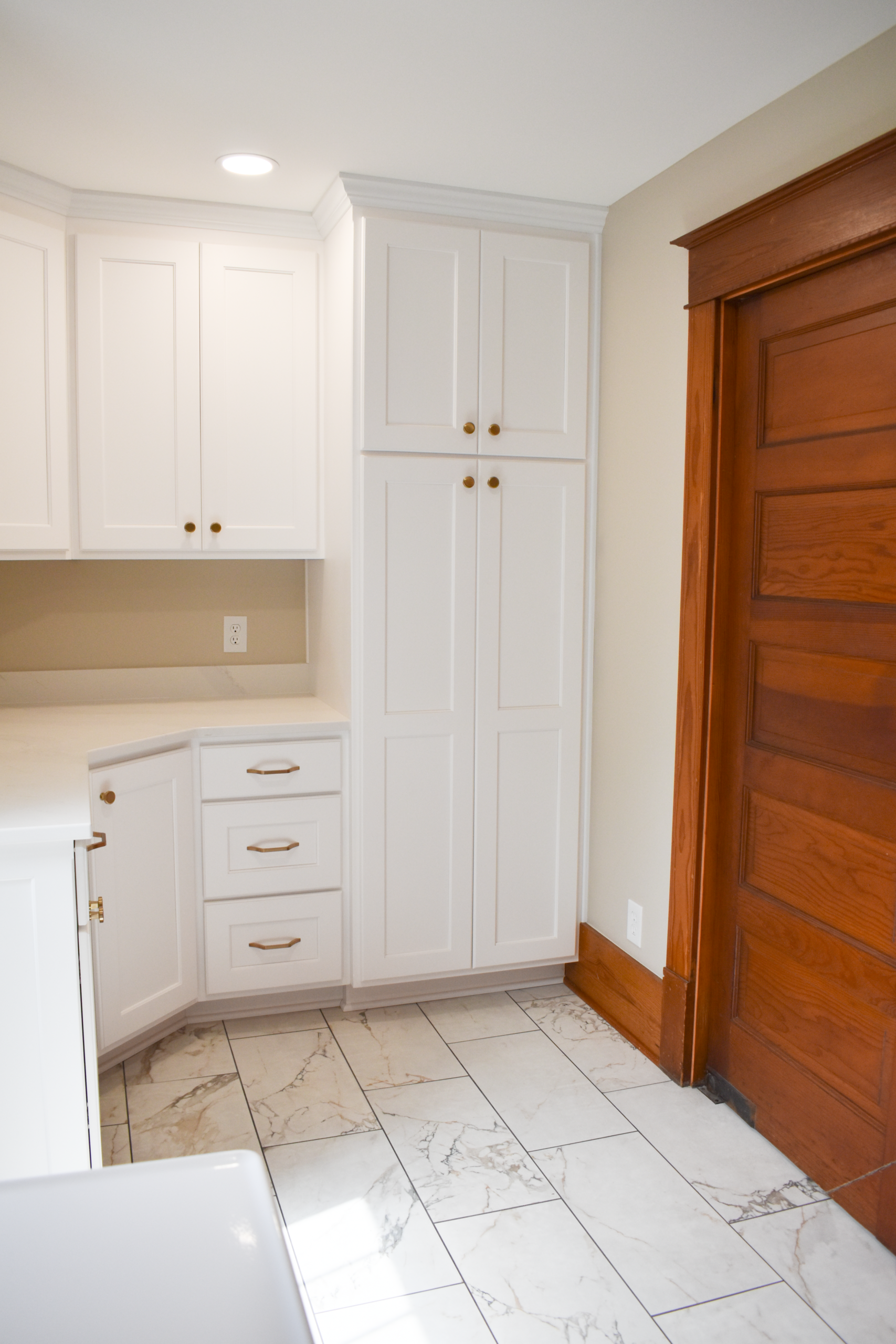
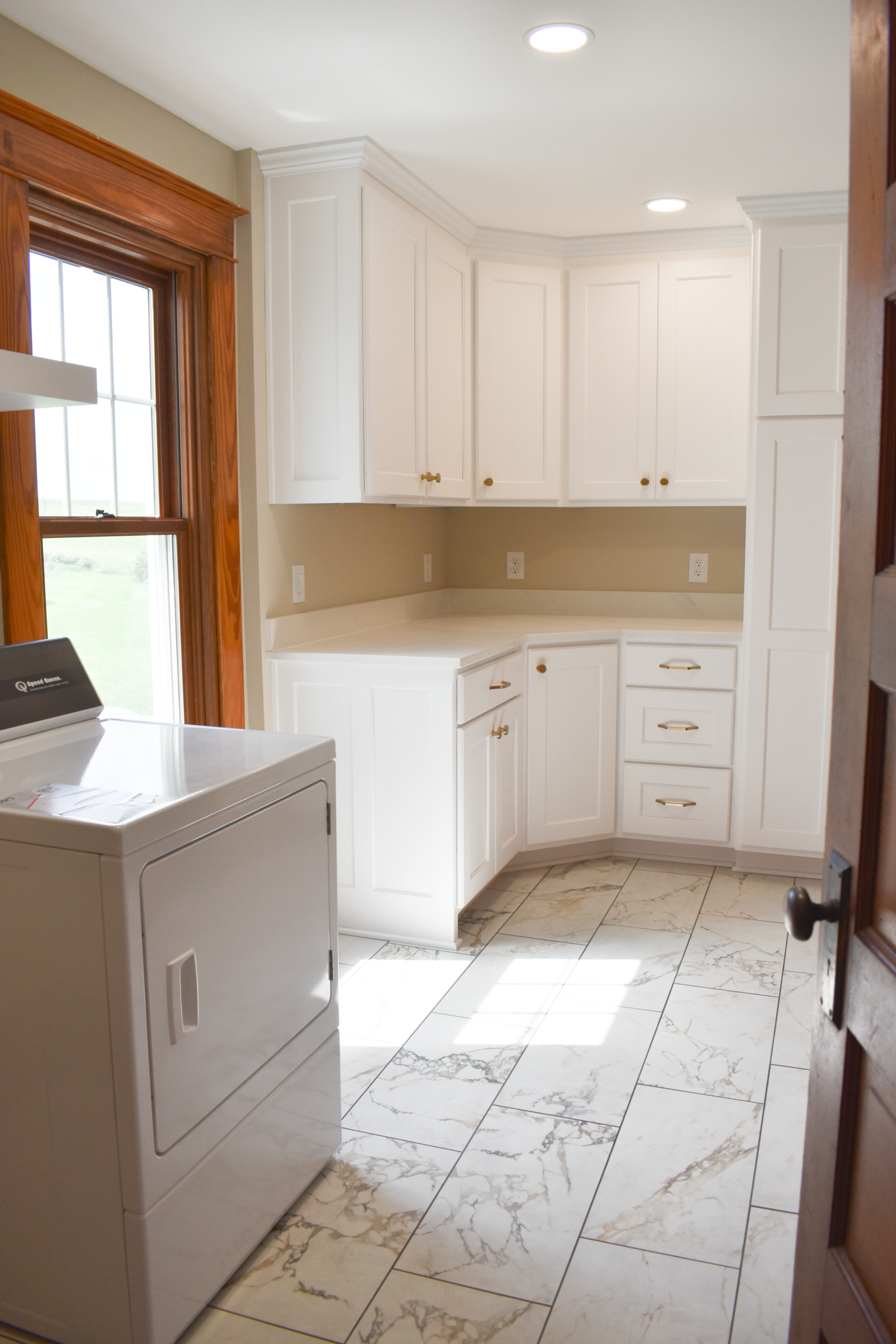
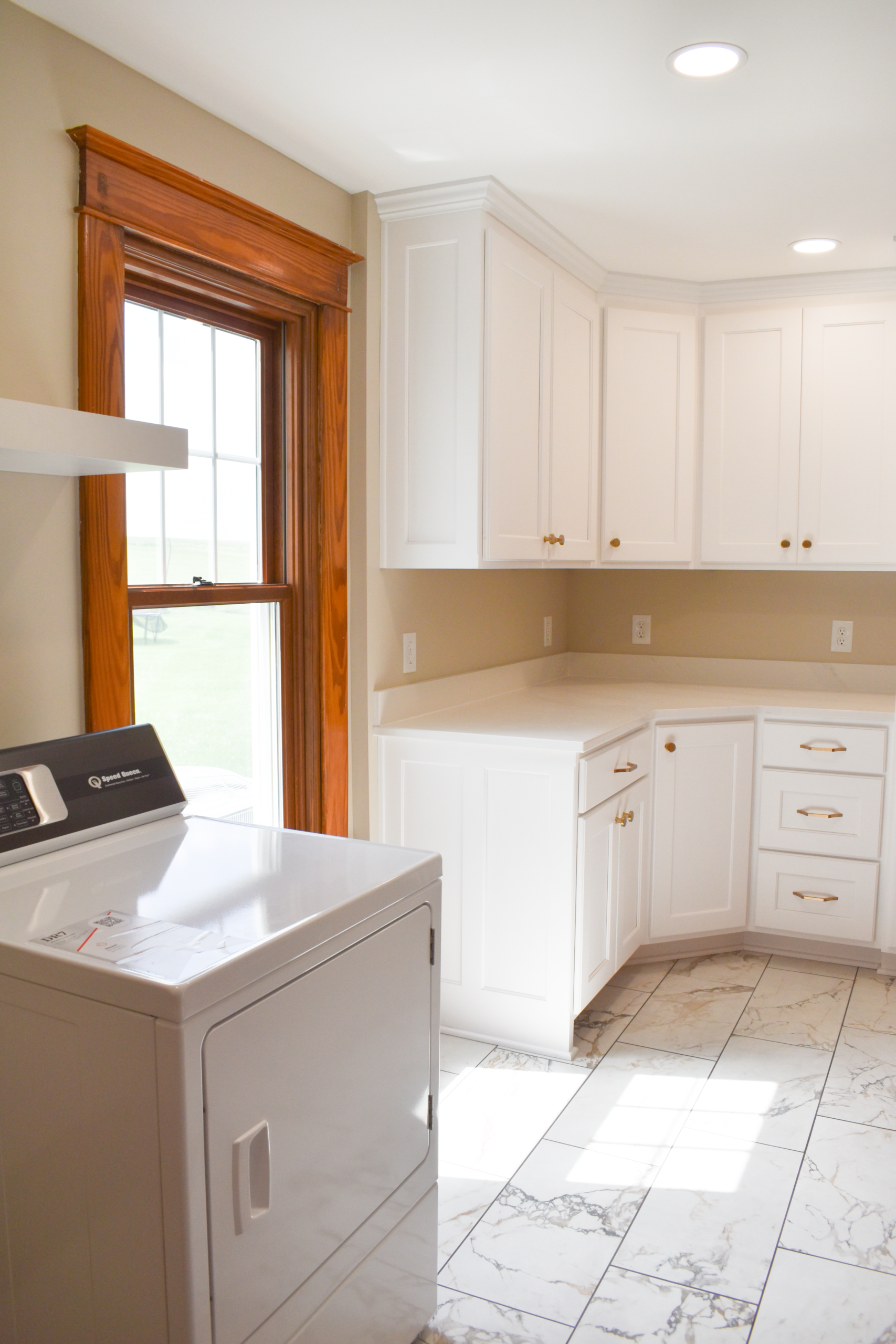
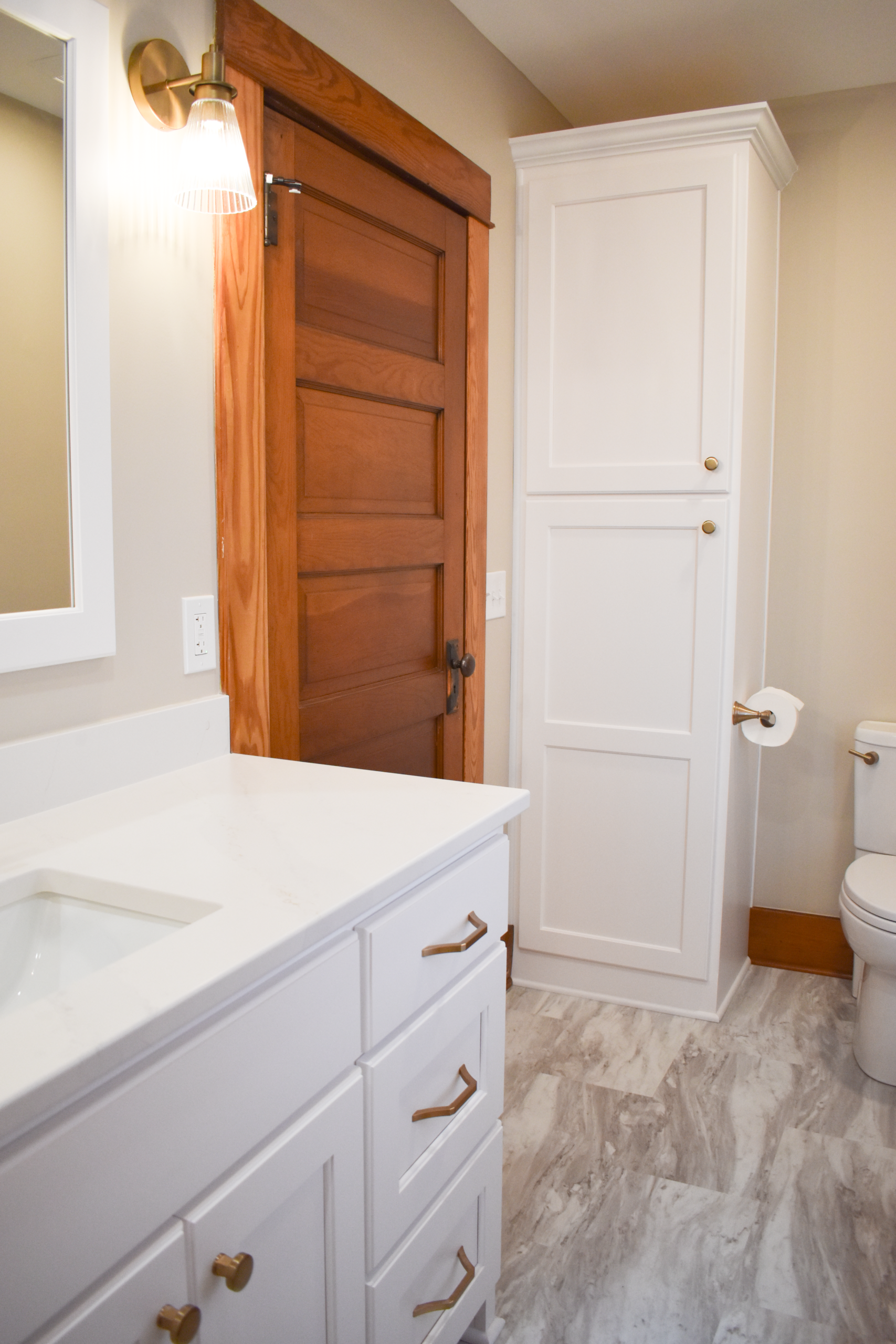
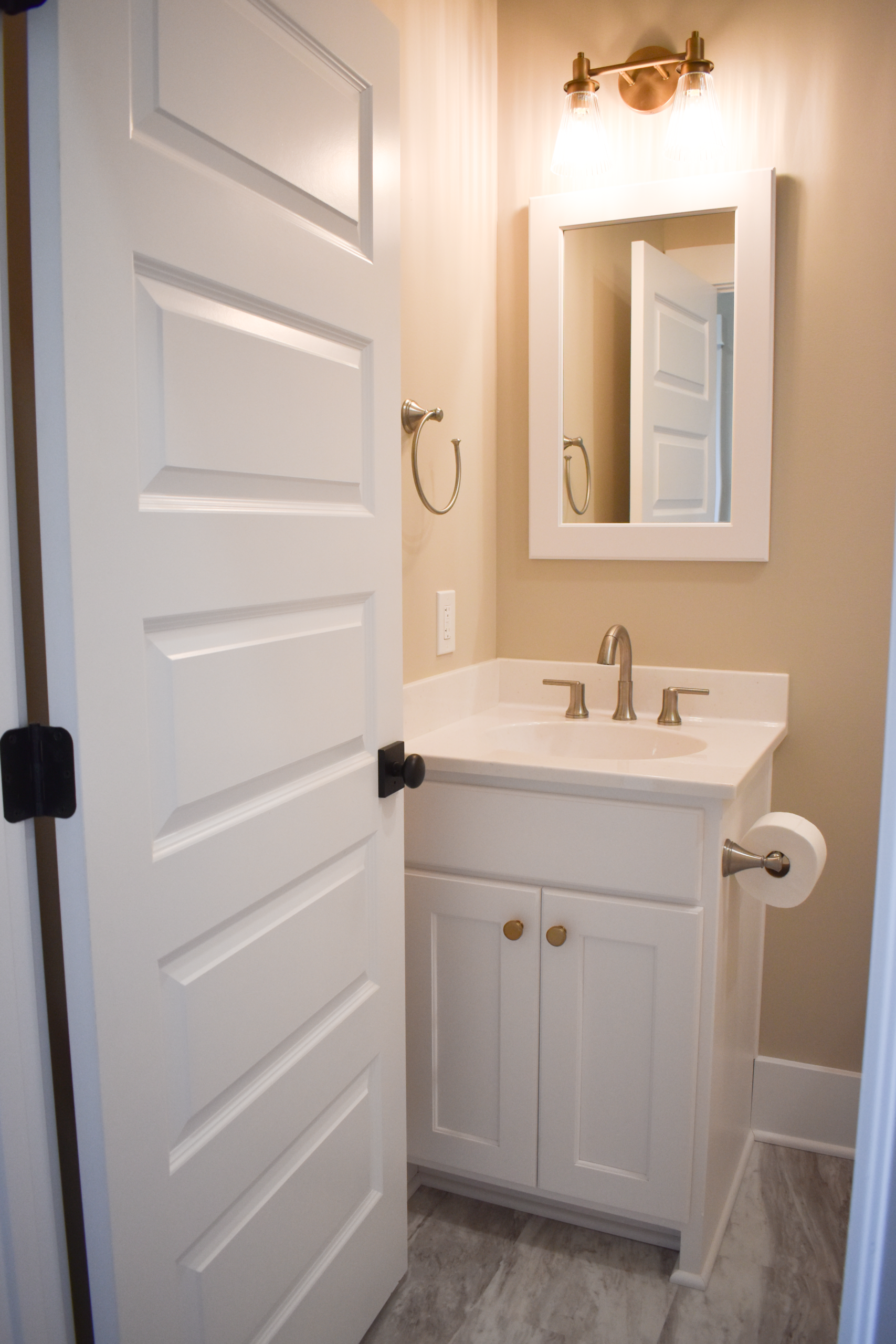
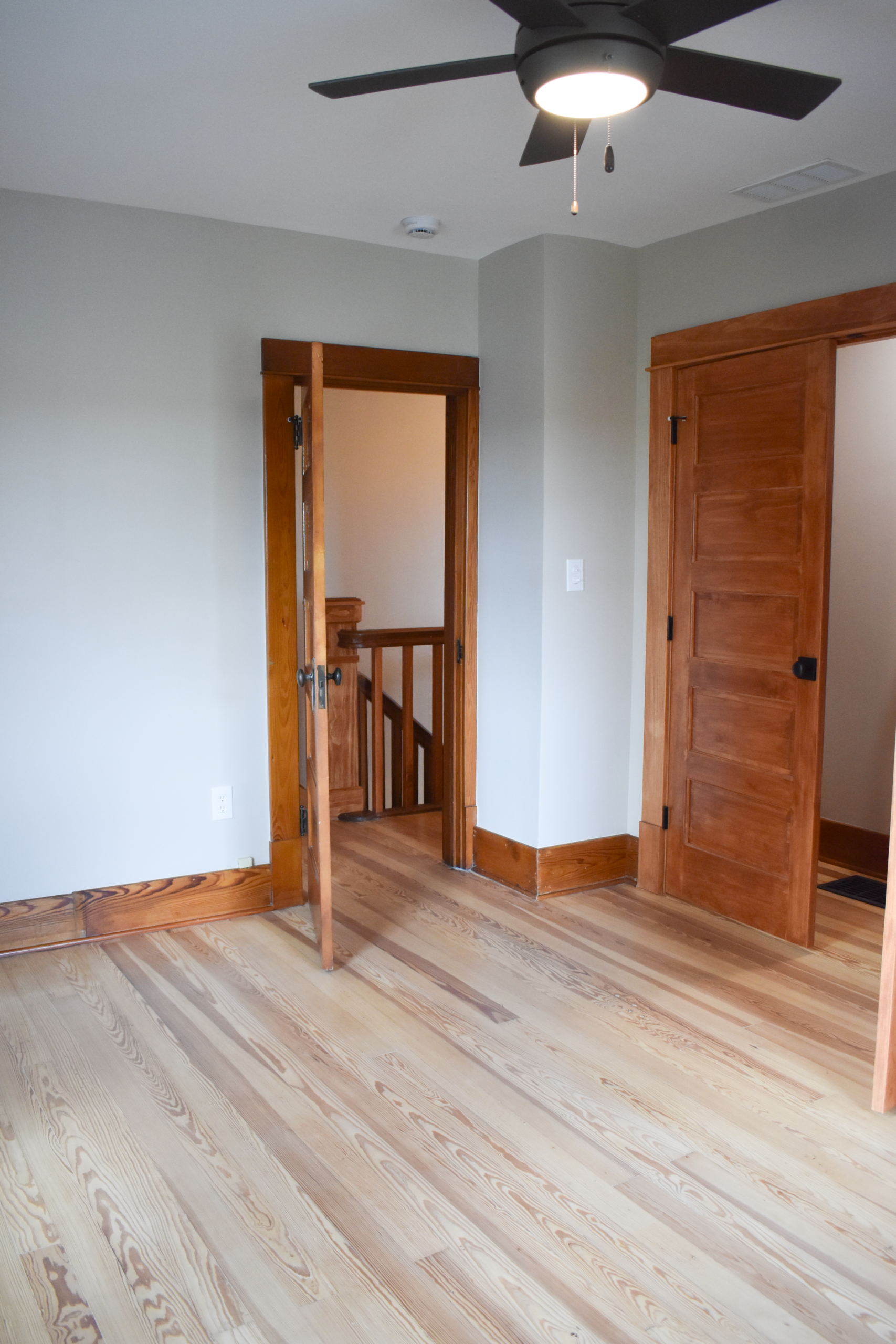
Inside the existing home, nearly every space was touched. The kitchen was completely remodeled with custom cabinetry, quartz countertops, new appliances, and a tile backsplash. Bathrooms were updated, the laundry room received custom cabinetry, and new and refinished flooring brought the spaces together throughout the home. Existing hardwood floors were sanded and refinished, while new hardwood was installed in the kitchen and several rooms within the addition, helping create a seamless transition between old and new.
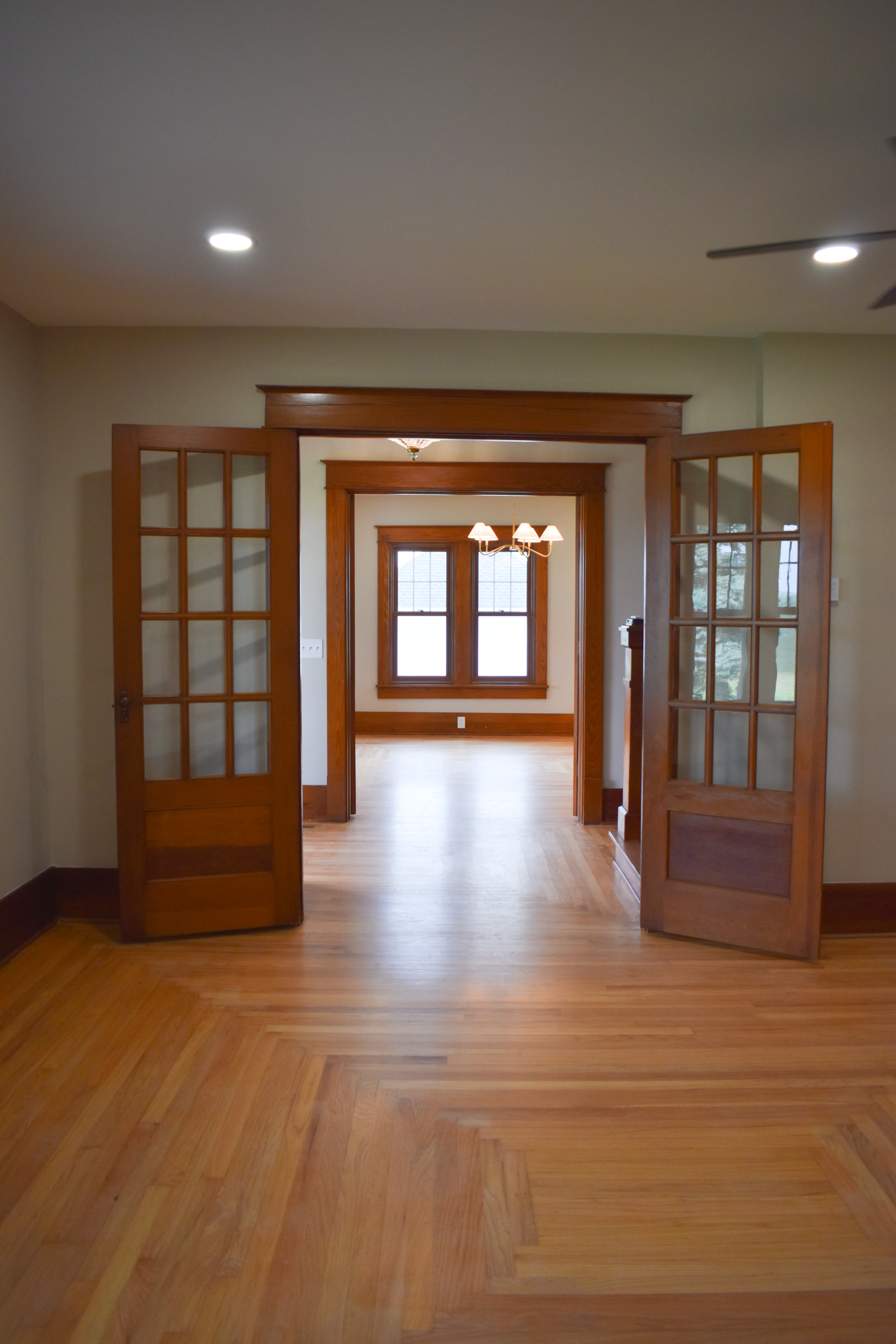
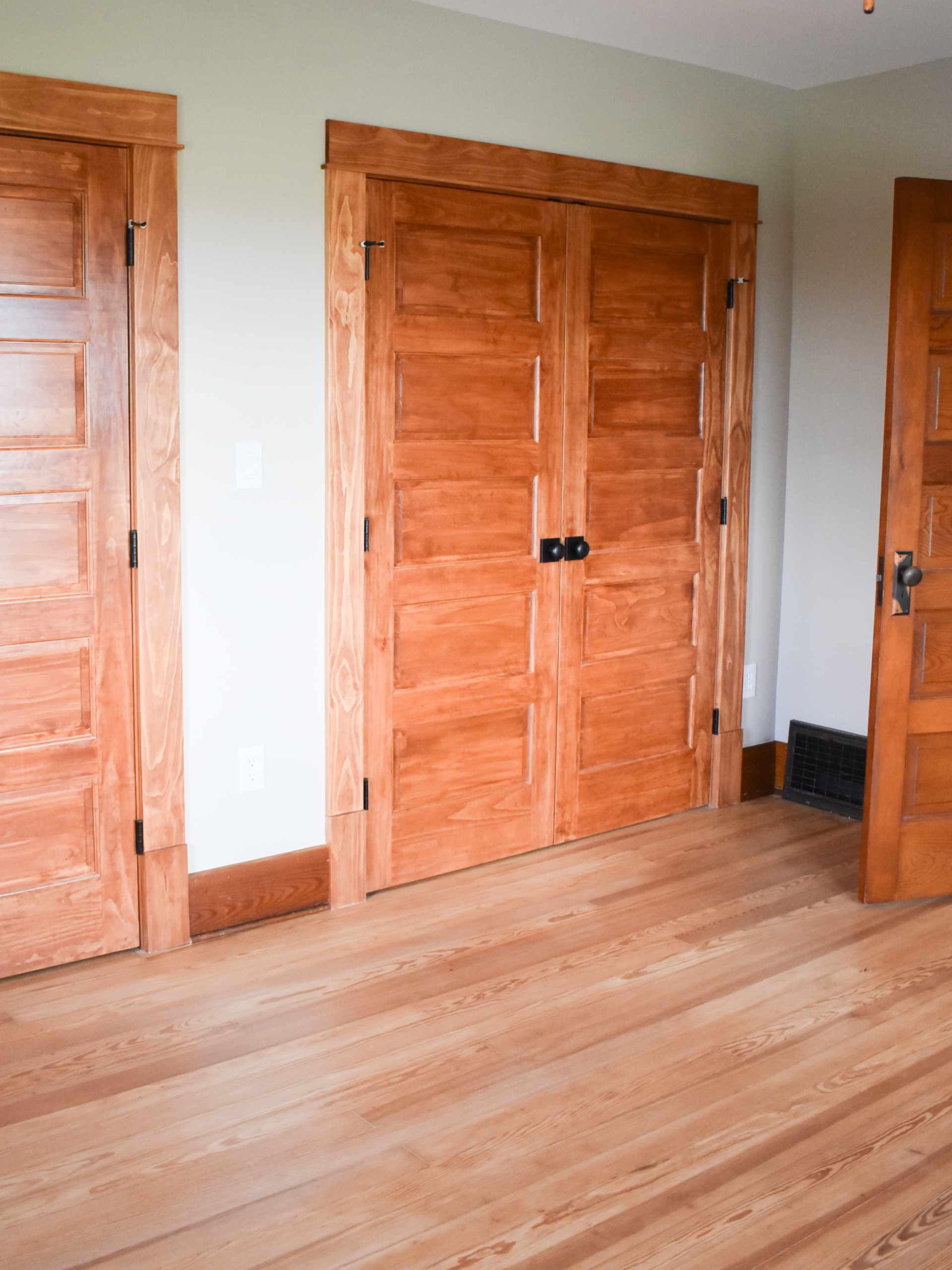
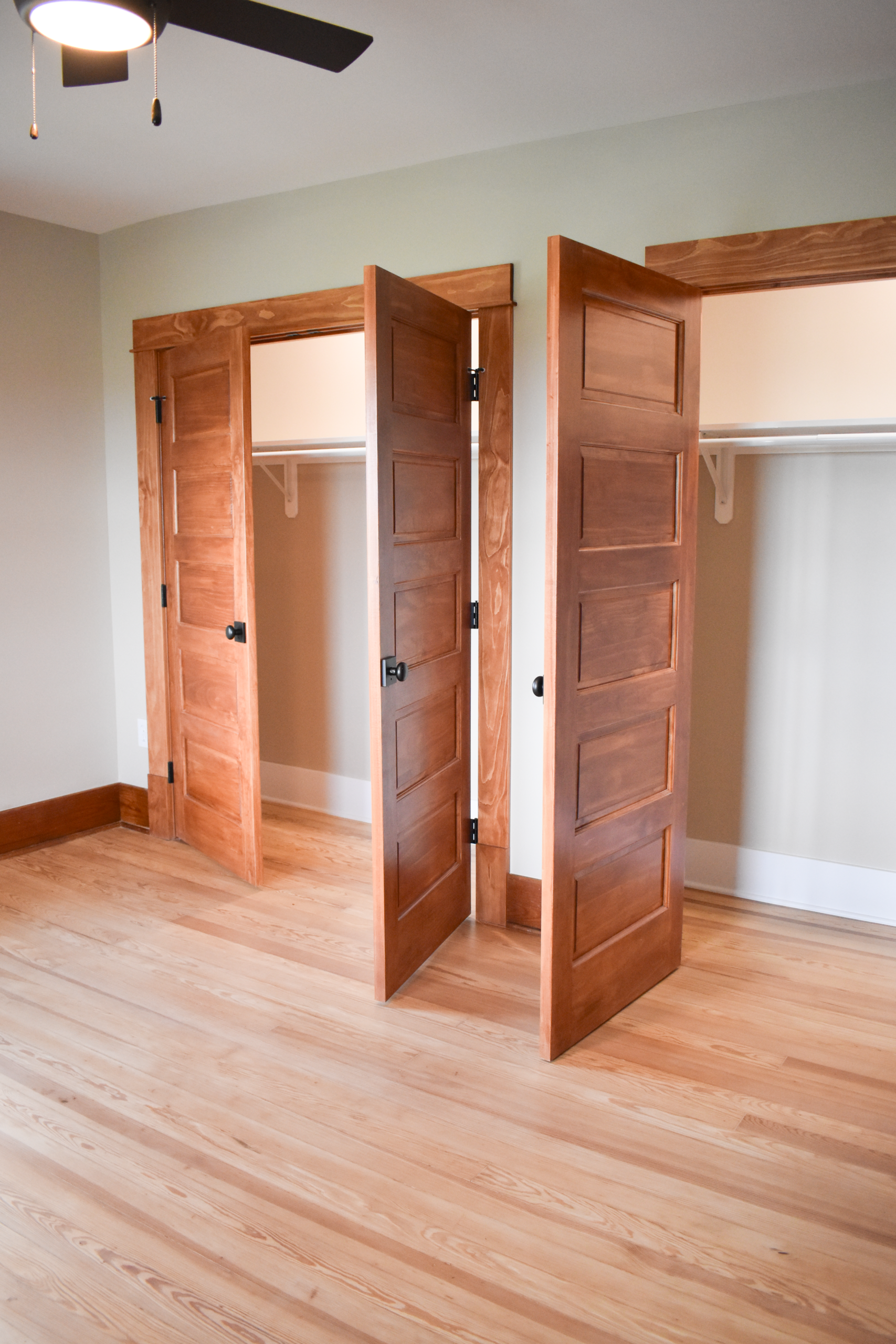
Several structural changes also allowed us to rethink how the original floor plan functioned. Walls were modified or removed to create larger openings and better flow between rooms, and new closets were framed into the existing upstairs bedrooms, which previously did not have traditional closets.
But some of our favorite parts of this project are the things that might not immediately stand out in the finished photos.
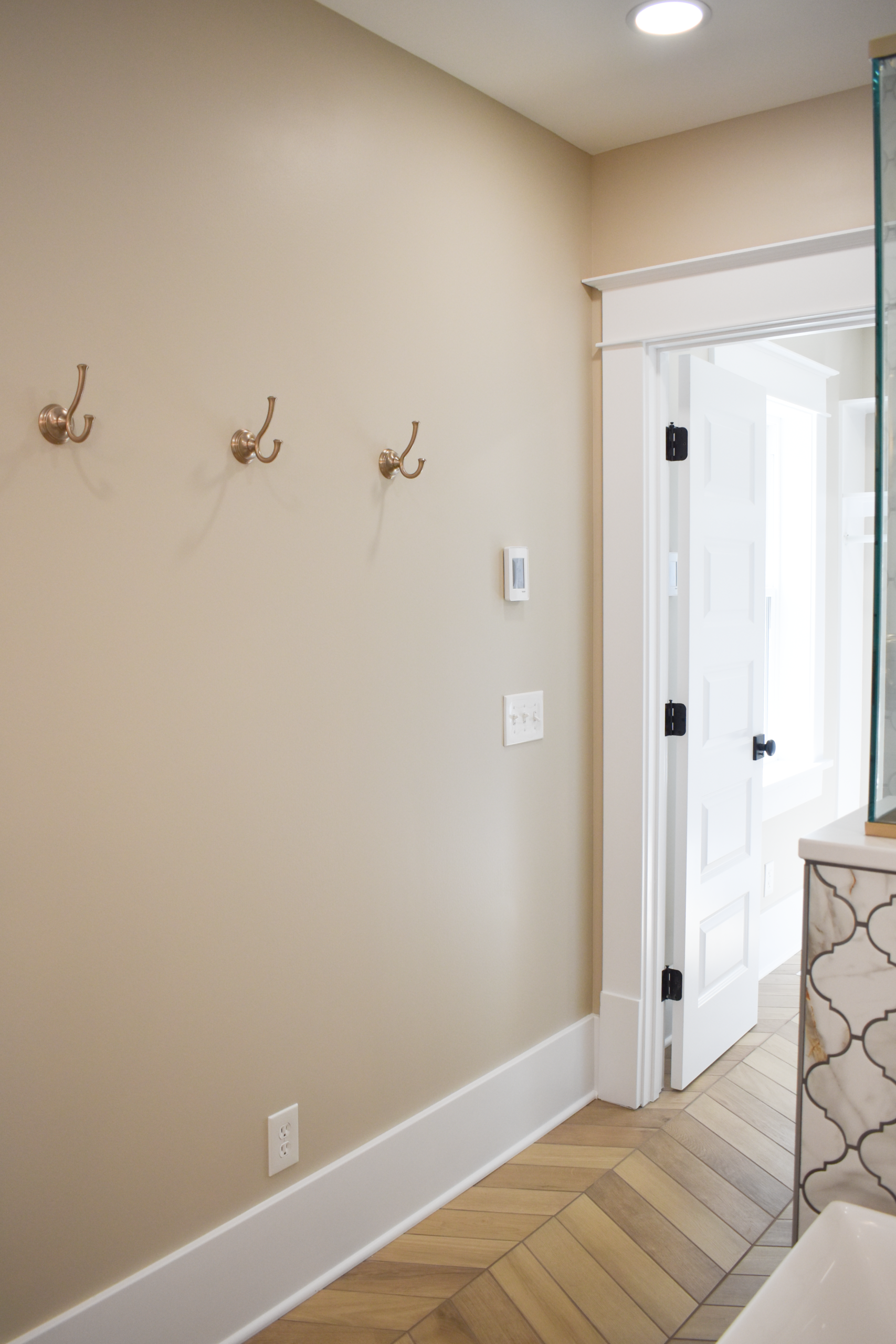
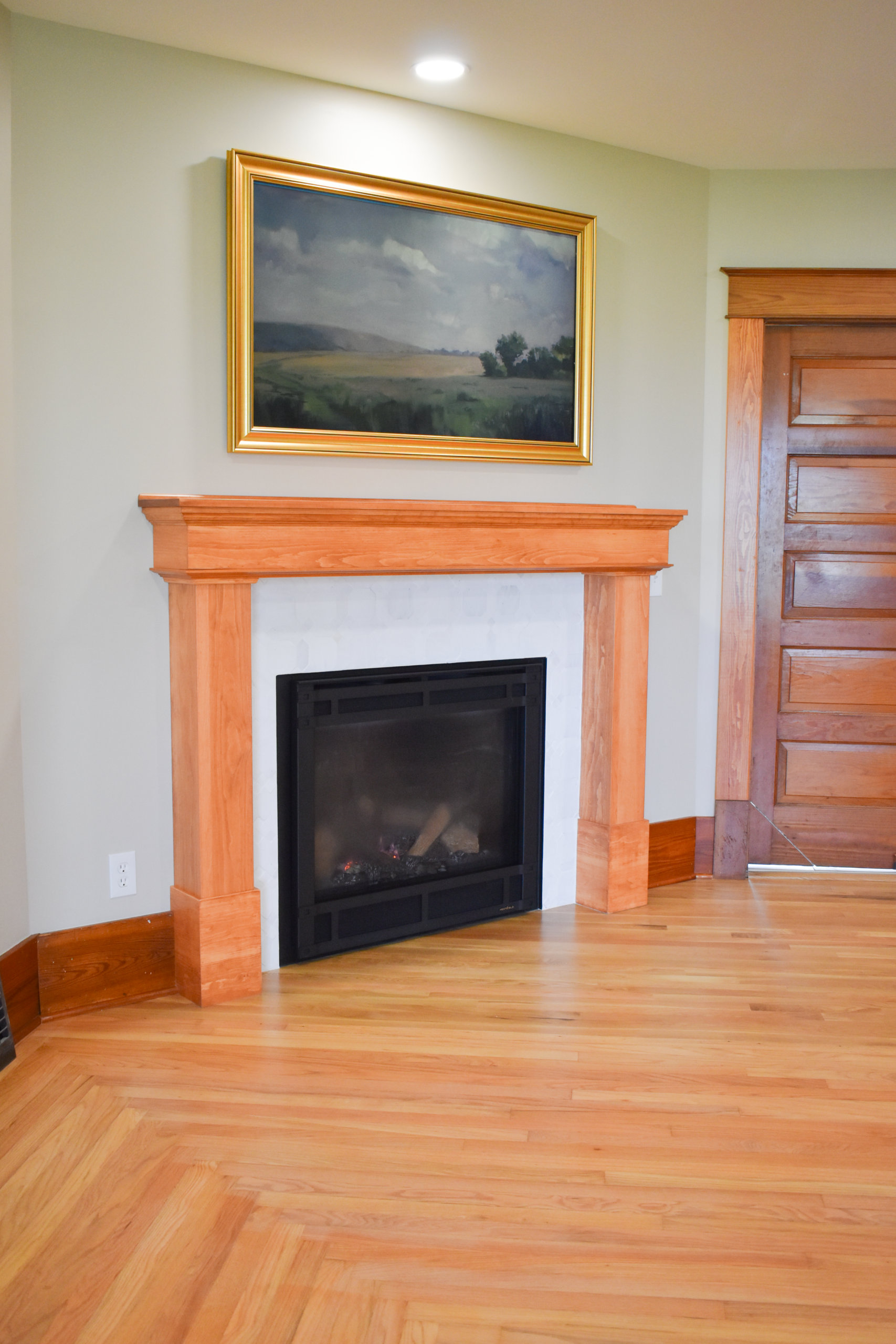
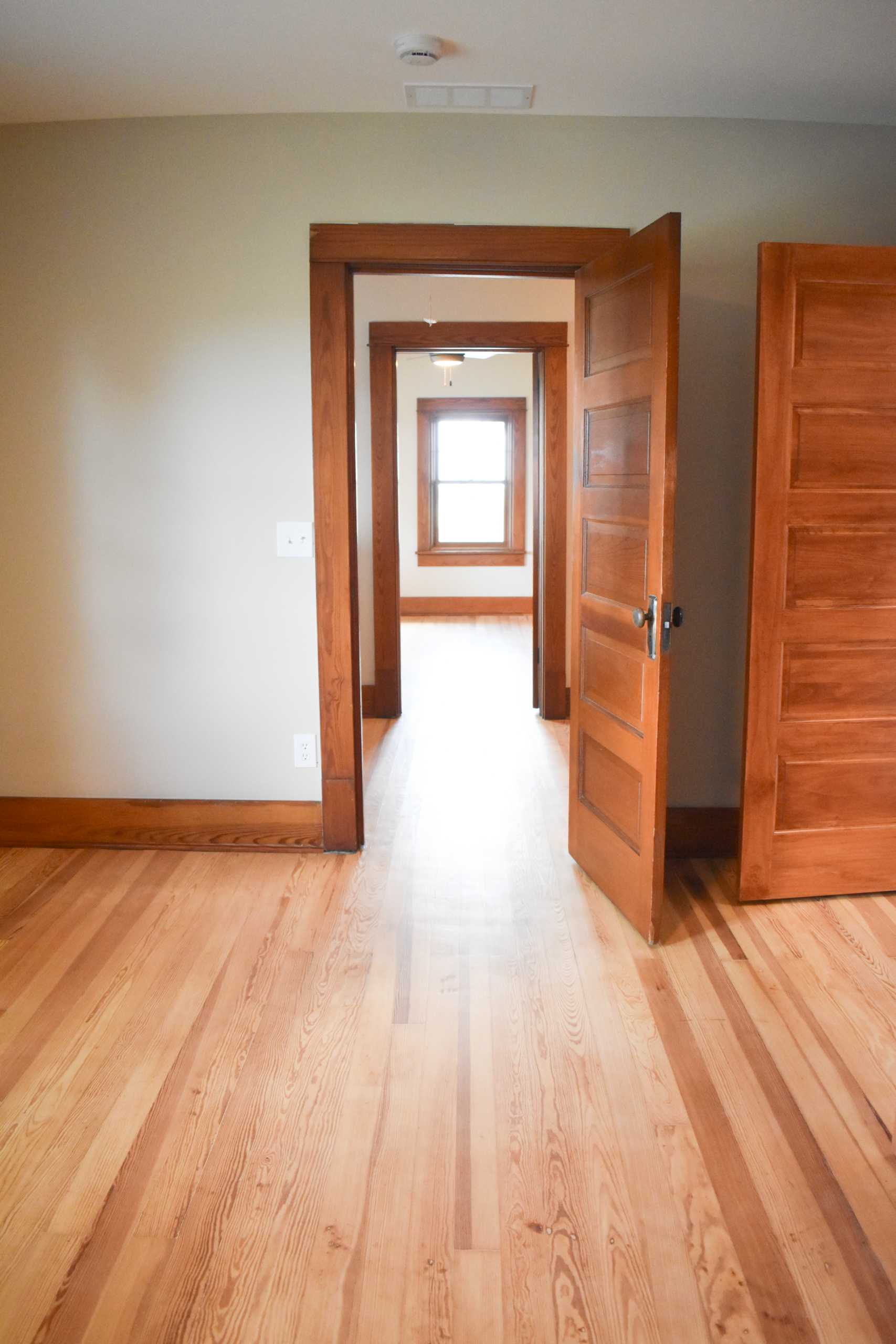
From the beginning, preserving the craftsmanship of the original farmhouse was an important part of the plan. Existing baseboards, crown molding, door casings, doors, and other millwork were carefully removed and saved wherever possible so they could be reinstalled later. Where new trim was needed, we recreated profiles, finishes, and details to closely resemble the original woodwork rather than introducing something that would feel noticeably new.
That attention to detail became especially important when adding closets to the original bedrooms. The trim profile throughout the farmhouse wasn’t something we could simply purchase off the shelf, so new millwork had to be fabricated to complement what was already there. It’s a small detail in the scope of such a large project, but it’s exactly the kind of detail that helps an addition and remodel feel like it has always belonged.
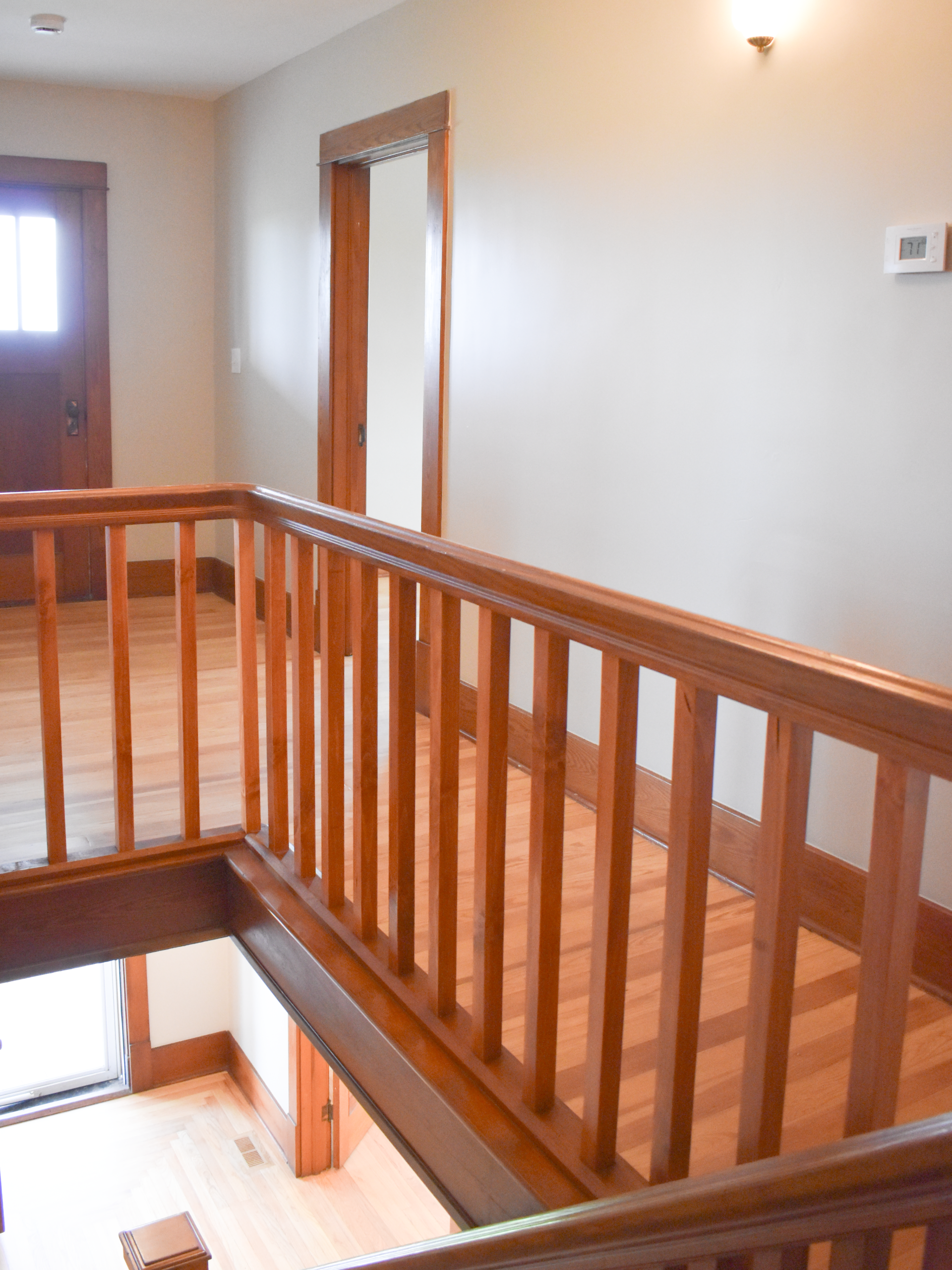
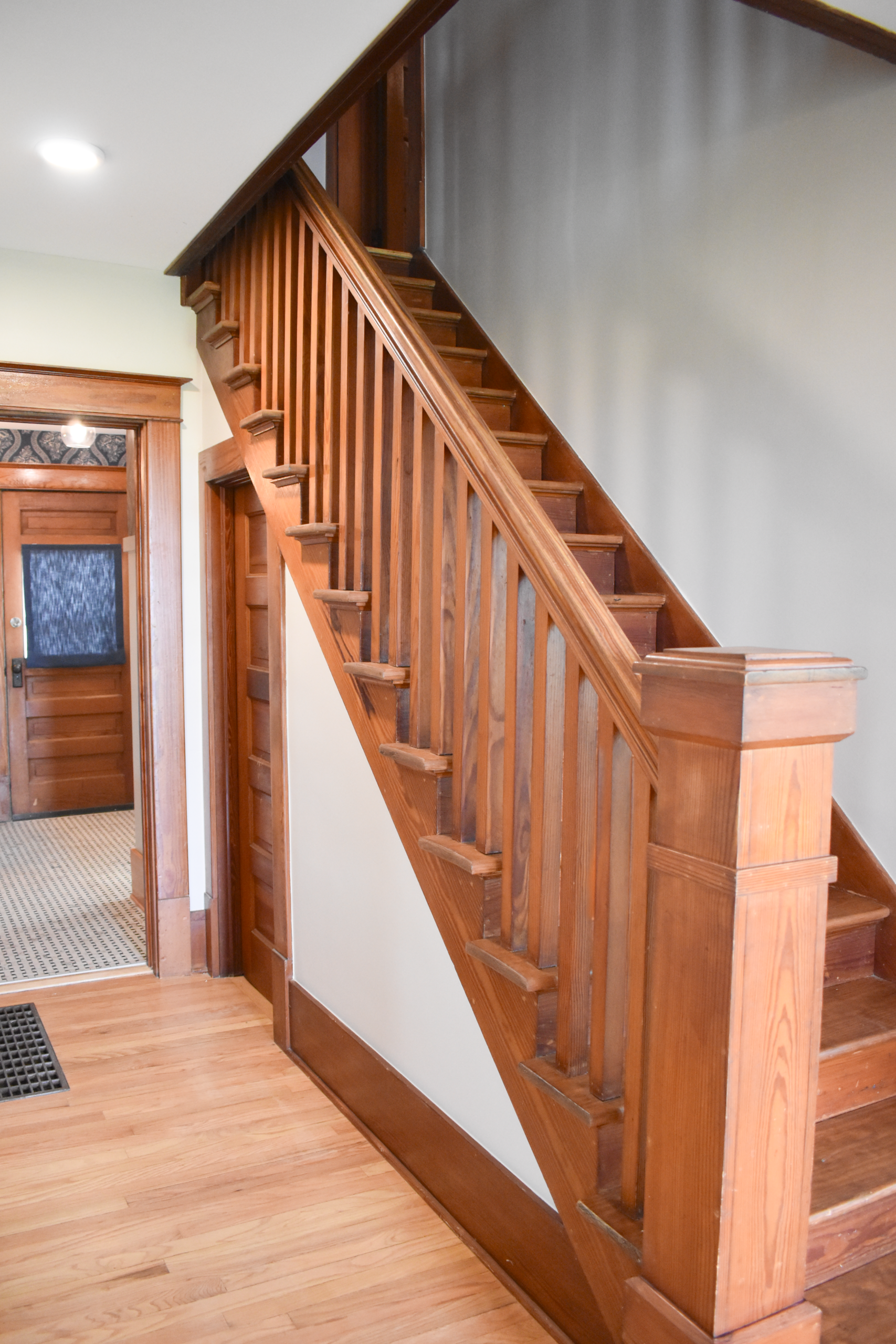
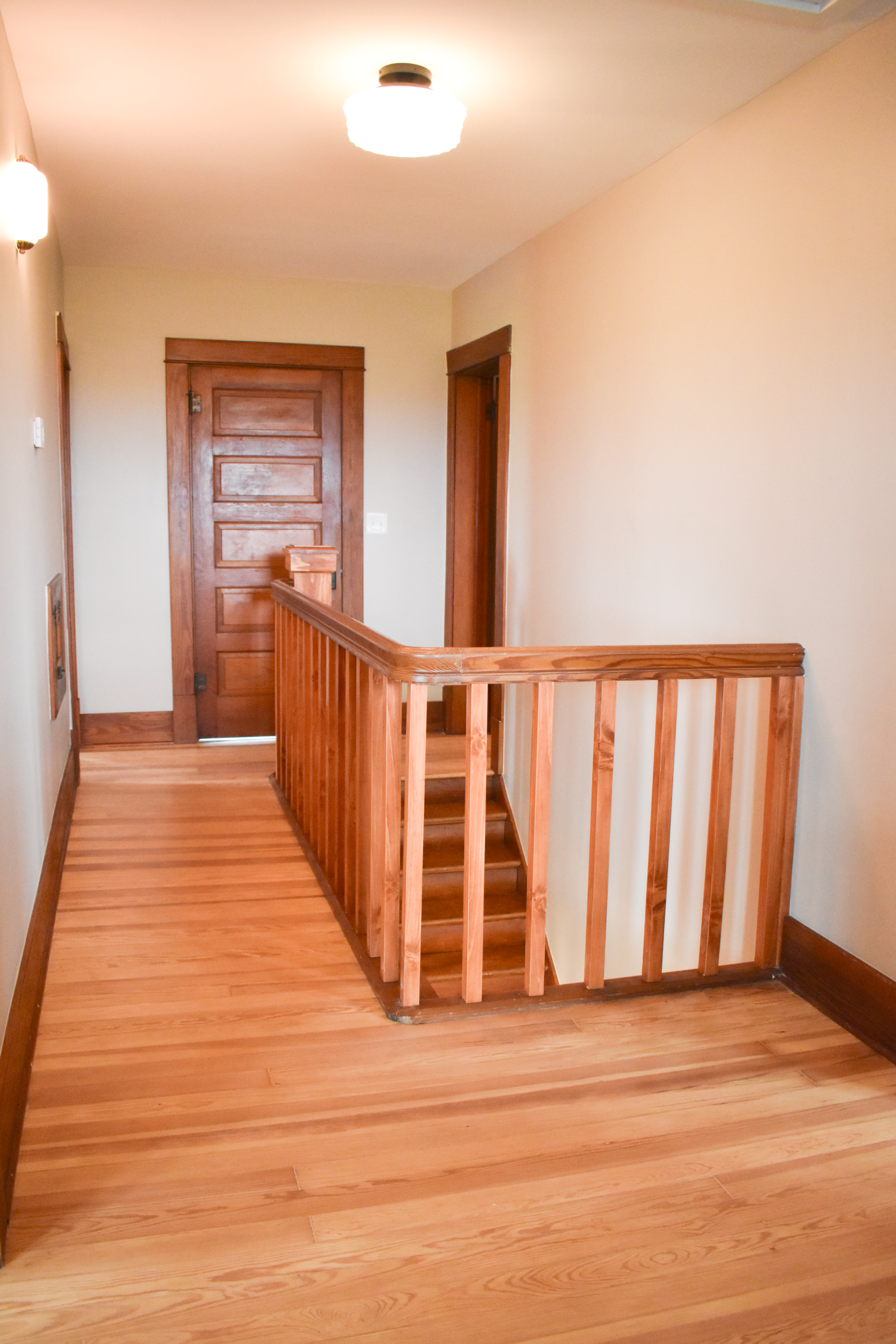
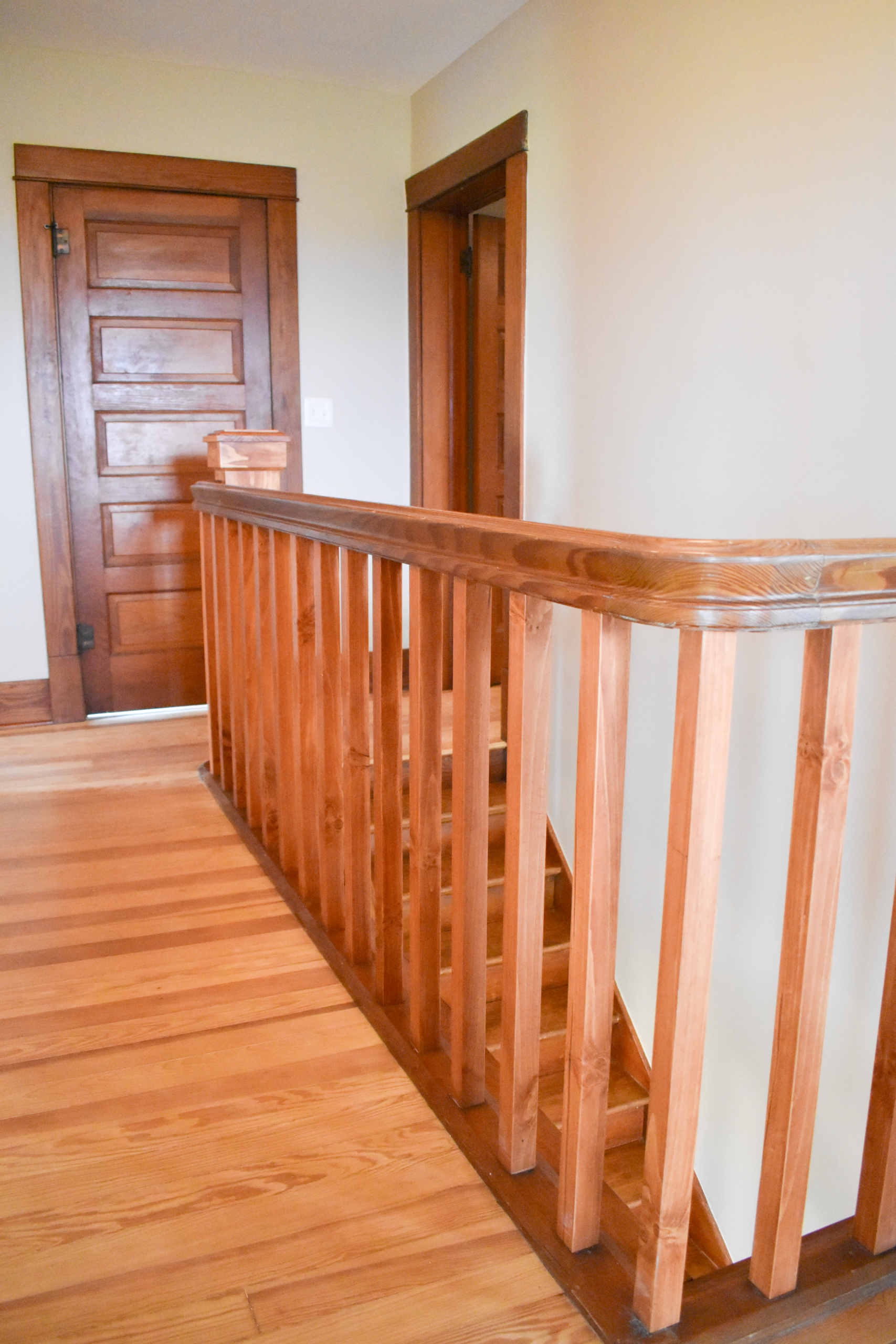
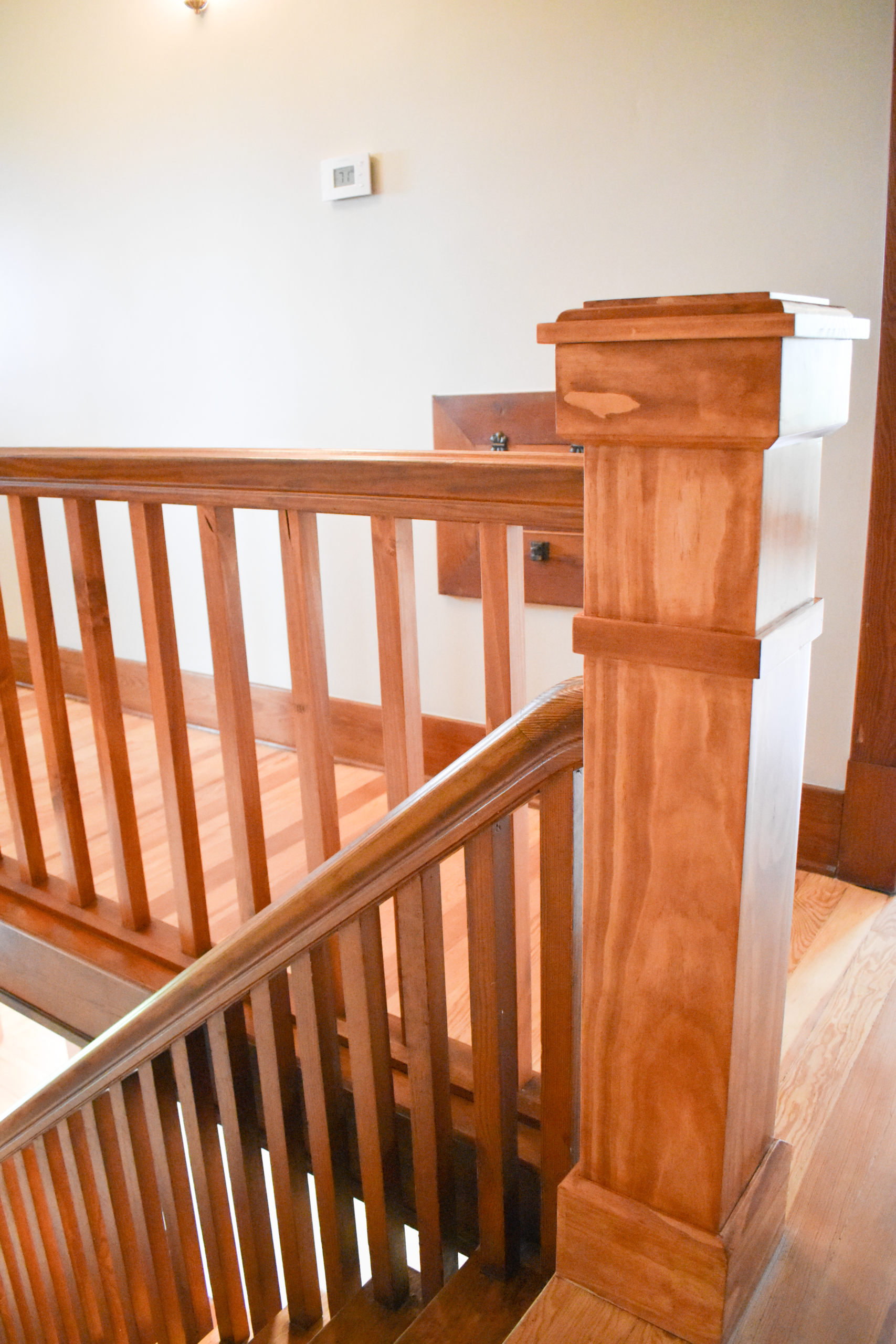
The original staircase presented another unique challenge. Its handrail and woodwork had beautiful character that the homeowners wanted to preserve, but the existing railing was very short. Rather than replacing the entire staircase with something new, we kept the original handrail and modified the railing system with new newel posts and balusters to increase its height. The new components were designed to resemble the existing woodwork, allowing us to improve the staircase while retaining one of the home’s most distinctive original features.
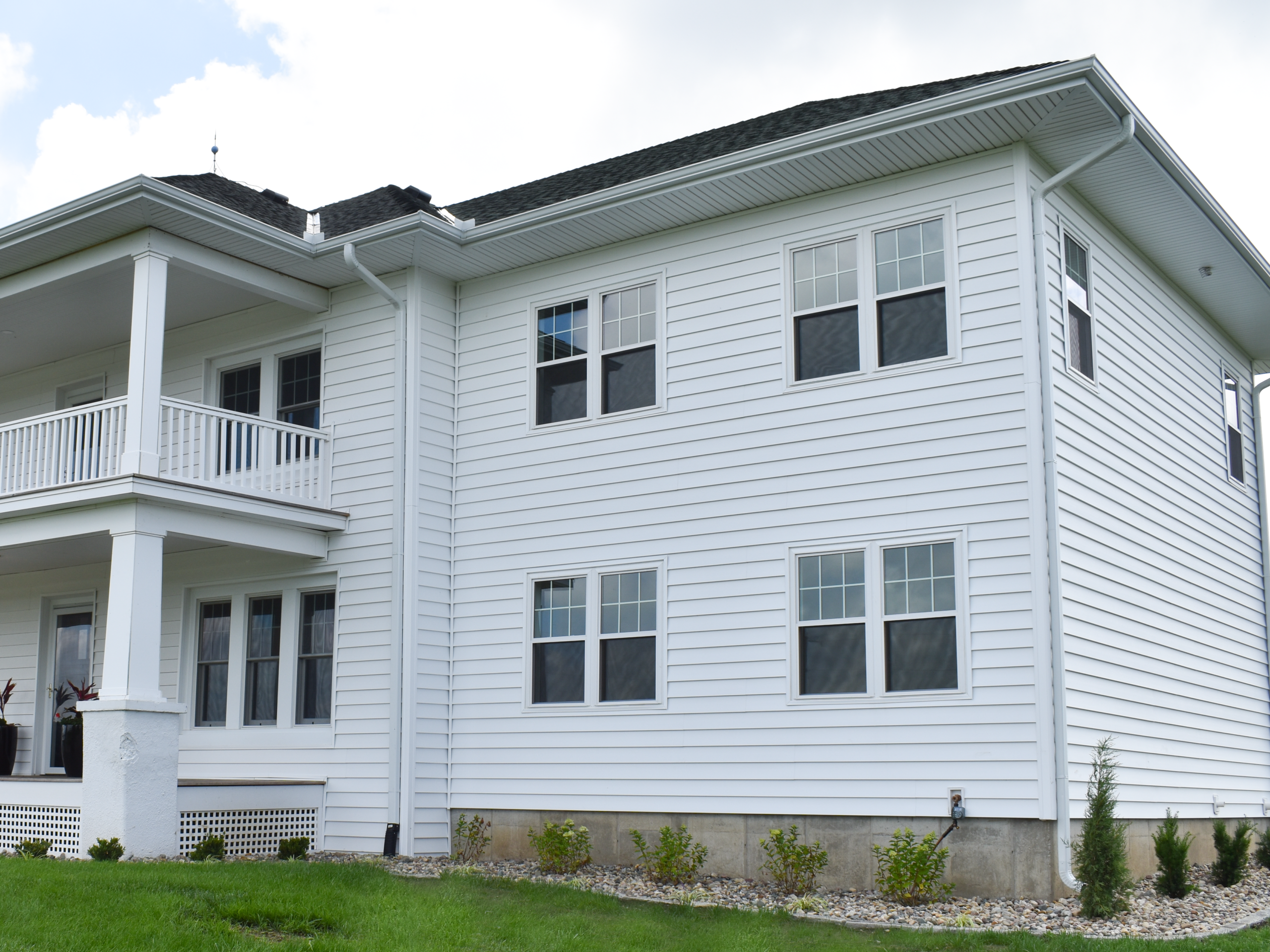
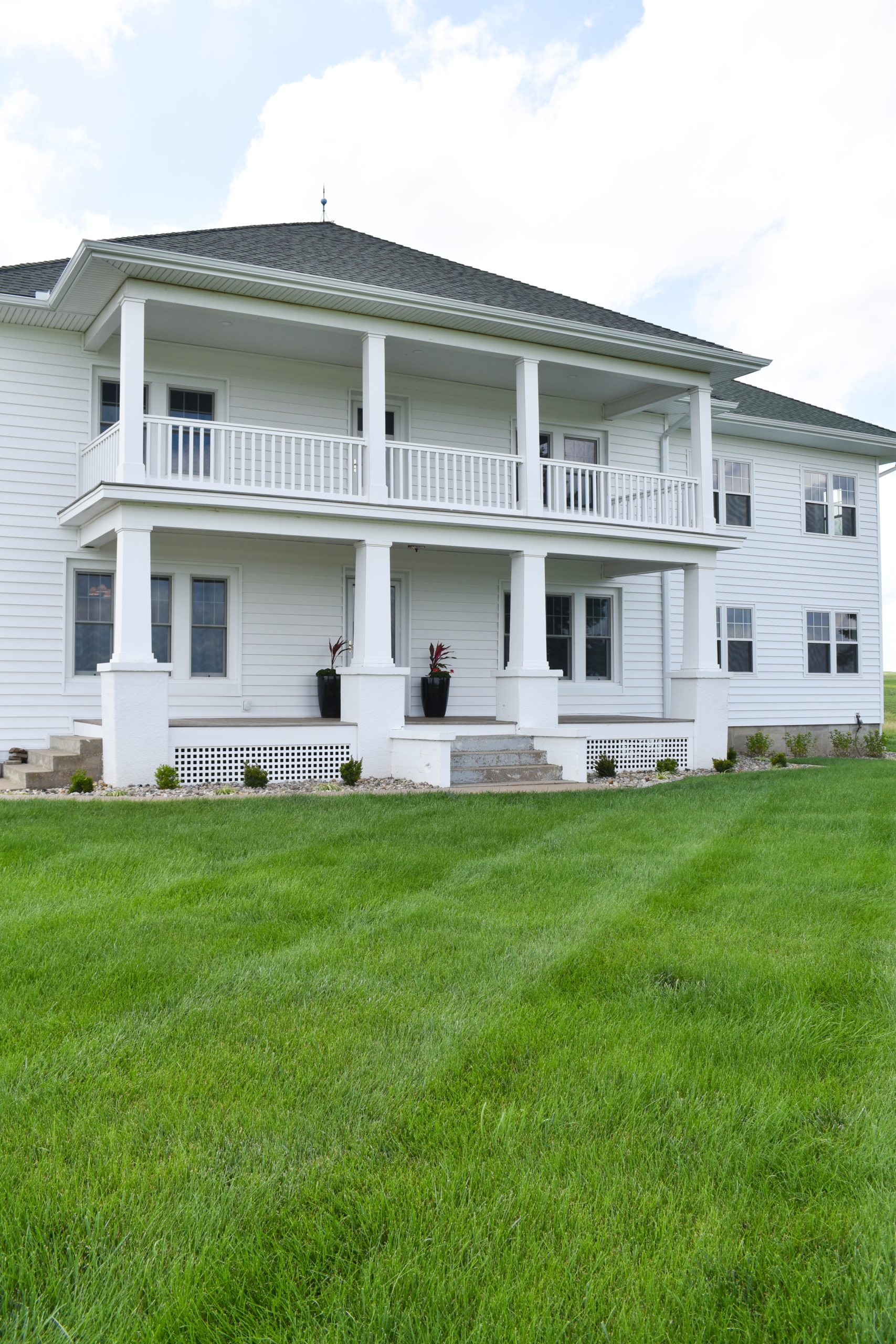
The renovation extended to the exterior as well. New windows and siding gave the farmhouse a refreshed appearance, while the two-story addition dramatically expanded the home without taking away from its traditional character. The finished exterior is one of our favorite before-and-afters from the project—the home is noticeably larger and updated, but it still reads as one cohesive farmhouse rather than an old house with a new addition attached.
Behind the finishes, the project also included substantial updates to the home’s systems and infrastructure. Electrical, plumbing, HVAC, insulation, framing, and other components were updated as part of creating a home designed to serve the homeowners well for years to come.
The result is a home that functions very differently than it did before, while still holding onto the details that tell you it has a history.
For us, that’s what made this project so rewarding. It wasn’t about making an old farmhouse look brand new. It was about thoughtfully adding to what was already there—preserving the pieces worth keeping, recreating details where necessary, and making the new work feel like a natural part of the home.